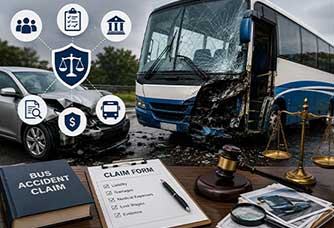
Across North Carolina, buses connect schoolchildren, commuters, visitors, and communities every day, making them an essential part of daily travel. When one is involved in a serious collision, the consequences often extend far beyond physical injuries. Families may face urgent medical, financial, and legal concerns as they try to determine who may be responsible. Unlike many car crashes, a bus collision can involve passengers, nearby drivers, pedestrians, schools, transit operators, or private companies, creating overlapping responsibilities. Because riders are often standing, moving, or seated without restraints, injuries may affect people in very different ways.
Determining what happened frequently requires reviewing records from multiple sources before important information disappears. Each additional party can raise separate insurance questions, procedural requirements, and conflicting accounts of the same events. Speaking with a North Carolina bus accident lawyer soon after a crash can help preserve critical facts and clarify the legal options available. Taking early steps can make a meaningful difference when accountability, recovery, and long-term financial stability are at stake.
In the first days after a crash, injured people need clear answers about ownership, operation, maintenance, and insurance. A bus accident lawyer can examine driver conduct, carrier files, policy layers, and notice deadlines before video or dispatch data disappears. That review matters because bus claims seldom involve a single driver and a single insurer.
A typical car wreck may involve two drivers and a handful of passengers. A bus crash can injure many riders simultaneously, as well as people in nearby vehicles or in crosswalks. Statements may conflict. Medical needs may differ sharply. Shared coverage limits can also create pressure when several injured people seek payment from the same source.
Private car cases usually begin with a registered owner and an auto policy. Bus ownership may be held by a school district, city agency, charter operator, hotel, church, or tour company. Contracts can divide duties for driving, repairs, inspections, and route planning. Public vehicles may also trigger special notice rules that do not appear in standard crash claims.
Public transit and school bus cases may involve local or state entities. Those claims can carry shorter notice periods, required forms, and immunity defenses. A missed step may weaken an otherwise valid case. Safety rules can also affect driver training, vehicle checks, route design, emergency procedures, and passenger supervision.
Car crash proof often starts with photographs, witness names, and a police report. Bus cases may require onboard video, route sheets, radio logs, maintenance records, inspection reports, and driver qualification files. Electronic data can get erased quickly. Written preservation requests help protect footage, internal reports, and dispatch materials before routine deletion occurs.
Driver error may include distraction, fatigue, unsafe lane changes, hard braking, or poor turns. Liability can also reach an employer, repair vendor, parts manufacturer, or another motorist. Skipped inspections, worn brakes, weak hiring practices, or rushed schedules may change the case. Each added party brings separate defenses, documents, and insurance positions.
Driver Conduct
Driver history can reveal more than one bad choice. Investigators may review training, hours worked, phone use, prior violations, drug testing, and post-crash statements.
Vehicle Condition
Buses carry heavy loads and high mileage. Brake wear, tire failure, steering defects, door malfunctions, or lighting problems may show maintenance failures beyond driver conduct.
Bus passengers may be standing, turning, or holding a rail when impact occurs. Sudden force can throw someone into seats, poles, doors, glass, or other riders. Older adults, children, and people with mobility limits face added risk. Fractures, head trauma, spinal strain, joint damage, and soft tissue injuries may worsen after the initial shock fades.
A car wreck often points to one personal auto carrier. Bus cases may involve commercial coverage, excess policies, contractor insurance, self-insured transit systems, or public risk pools. Adjusters may argue over which policy pays first. Coverage disputes can delay payment, especially after a major crash involving many injured claimants.
Medical bills tell only part of the story. A strong claim may also document missed work, future treatment, reduced earning capacity, pain, limited mobility, and home support needs. Larger cases often require organized records and expert review. Clear evidence links the crash to changes in health, income, family duties, and daily functioning.
North Carolina injury lawsuits often use a three-year filing period, but bus cases may involve added notice requirements. Public entity claims can include procedural traps. Practical deadlines matter too. Video may overwrite, repair records may change, and witnesses may forget details. Early action protects legal rights and factual proof.
Bus accident claims differ from car accident cases because the facts usually spread across more people, records, insurers, and legal rules. Fault may reach beyond the driver, while deadlines may arrive before injuries fully stabilize. A sound case depends on prompt investigation, preserved evidence, careful medical documentation, and a comprehensive review of every party that may share responsibility.
.jpg "AR Enterprises: Building The Supply Networks Behind India's Construction Growth")
.jpg "Industrial Packers: Engineering Industrial Packaging for India's Manufacturing Future")





We use cookies to ensure you get the best experience on our website. Read more...