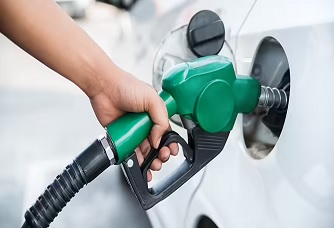
Excise duty on 22%-30% ethanol petrol has been removed by the central government in a move aimed at promoting cleaner fuels and reducing India's dependence on imported crude oil.
The decision is expected to encourage the production and adoption of higher ethanol-blended fuels, benefiting oil marketing companies, ethanol manufacturers, and farmers.
Industry experts believe the removal of excise duty on 22%-30% ethanol petrol will strengthen India's biofuel ecosystem and support the country's long-term energy security goals.
The excise duty waiver applies to petrol blends containing ethanol in the range of 22 percent to 30 percent, including E22, E25, E27, and E30 fuel variants. The move comes as India continues to push for greater use of biofuels as part of its long-term sustainability and energy independence goals.
The government’s decision is expected to make higher ethanol-blended petrol more attractive for fuel retailers and producers. India has already achieved significant progress in ethanol blending and has been promoting E20 fuel as a cleaner alternative to conventional petrol.
Key highlights of the announcement include:
Industry experts believe the measure will improve the commercial viability of higher ethanol blends and help accelerate their adoption in the coming years.
Also Read: Govt Cuts Excise Duty on Petrol and Diesel: What It Means for You?
The tax exemption is expected to create benefits across multiple sectors. By increasing the use of domestically produced ethanol, India can reduce its reliance on imported crude oil, which remains a major contributor to the country's import bill.
Higher ethanol demand could also provide a boost to farmers and agricultural producers. Ethanol is commonly produced from sugarcane, maize, and other agricultural feedstocks, creating additional demand for farm produce and supporting rural incomes.
The move aligns with the government's broader strategy of promoting renewable energy sources and lowering carbon emissions from the transportation sector.
While the excise duty waiver represents a major policy shift, consumers may not see an immediate reduction in retail petrol prices. Fuel prices continue to depend on several factors, including global crude oil prices, state taxes, transportation costs, and dealer margins.
However, the measure is expected to encourage investments in ethanol production and distribution infrastructure. Oil marketing companies may also increase the availability of higher ethanol-blended fuels as the economics become more favorable.
The decision highlights India's commitment to expanding the role of biofuels in the country's energy mix while supporting environmental and economic objectives.
.jpg "AR Enterprises: Building The Supply Networks Behind India's Construction Growth")
.jpg "Industrial Packers: Engineering Industrial Packaging for India's Manufacturing Future")





We use cookies to ensure you get the best experience on our website. Read more...