India’s sugar industry has asked the government to limit sugar exports to about one million tonnes, aiming to channel more sugarcane toward ethanol production. The request comes at a time when global sugar prices are relatively low, making exports less attractive for Indian producers.
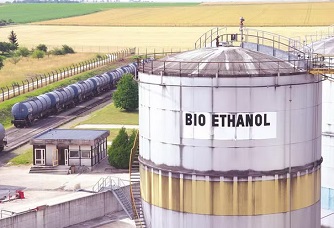
Industry representatives believe that reducing exports will help strengthen India’s ethanol blending programme, which has become a key part of the country’s energy strategy. By increasing ethanol blending in fuel, India hopes to cut down on expensive crude oil imports and improve energy security.
At present, the government has allowed exports of around two million tonnes for the 2025–26 season. However, only a small portion of this—roughly 0.7 to 0.8 million tonnes—has been exported so far. The slow pace is mainly due to Indian sugar being priced higher than global supplies, making it less competitive in the international market.
The focus is now shifting more strongly toward ethanol blending. India has already reached a 20% blending target, and industry players are pushing for gradual increases to 22%, 25%, and even 27% in the coming years. Achieving these targets will require diverting a larger share of sugarcane supply away from sugar production and into ethanol manufacturing.
Also Read: Indian Railways Approves Rs 1,364 Crore Kavach Safety Upgrade
Although India’s ethanol production capacity is estimated at nearly 20 billion litres, actual demand remains lower. Current tenders cover only about 10–11 billion litres. Experts say that limiting sugar exports could help bridge this gap by ensuring sufficient ethanol supply for growing demand.
The move could also ease financial pressure on sugar mills. Many mills are currently facing cash flow challenges and have significant pending payments to farmers. Expanding ethanol production is seen as a more stable and profitable avenue, which could help clear dues faster and support the rural economy.
Overall, the proposal reflects a broader shift in priorities—from exporting sugar to strengthening domestic energy goals. The government’s final decision will play an important role in shaping both the sugar industry and India’s long-term ethanol strategy.







We use cookies to ensure you get the best experience on our website. Read more...