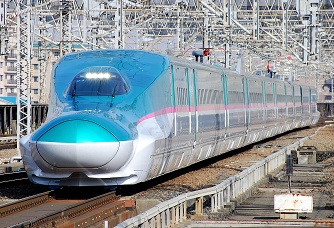
The Bullet Train Project in India is finally showing real progress after years of delays.
The Bullet Train Project, which connects Mumbai and Ahmedabad, has entered its fastest phase of construction, bringing India's dream of high-speed rail closer to reality.
From bridges and stations to tunnels and viaducts, work is moving ahead at a much faster pace. With a part of the route expected to open in 2027, the project is now being seen as more than just a transport upgrade. It is becoming the base for India's future bullet train network and a major boost for the country's rail infrastructure.
The 508-km Mumbai-Ahmedabad Bullet Train corridor is India's first high-speed rail project. It is being developed by the National High Speed Rail Corporation Limited with technical support from Japan using the famous Shinkansen technology.
After facing several setbacks, including land acquisition issues and delays in Maharashtra, construction has picked up speed across multiple sections of the corridor.
Some of the major developments include:
Officials believe the faster pace will help meet the target of opening a section of the route in 2027, while work on the remaining stretch will continue afterward.
Also Read: Vande Bharat 2026: Redefining Rail Safety and Engineering Standards
The Bullet Train Project is not only about reducing travel time between Mumbai and Ahmedabad. It is also helping India build long-term expertise in rail infrastructure and advanced railway technology.
The project is creating experience in:
This knowledge is expected to reduce dependence on foreign expertise in future projects. Many of the construction methods, designs, and engineering practices developed during this project can be reused for upcoming bullet train corridors across the country.
The government is already looking beyond the first Mumbai-Ahmedabad Bullet Train route. Plans for more high-speed rail corridors are under consideration, and officials want to use standardized designs for bridges, stations, tunnels, and other structures to make future projects faster and more cost-effective.
The first corridor is expected to serve as a model for India's expanding bullet train network. Once operational, it will also help train engineers, technicians, and railway staff for future high-speed services.
While the project has taken longer than expected, recent progress suggests it is finally moving in the right direction. As construction continues across key sections, India's first Bullet Train Project is steadily transforming from a long-delayed plan into one of the country's biggest transport achievements.
With 2027 now in focus for the first operational section, the coming months will be crucial for keeping the project on track and laying the foundation for a larger high-speed rail network in the years ahead.

.jpg "AR Enterprises: Building The Supply Networks Behind India's Construction Growth")
.jpg "Industrial Packers: Engineering Industrial Packaging for India's Manufacturing Future")




We use cookies to ensure you get the best experience on our website. Read more...