Energy imports define India’s economic stability as the country depends on overseas supplies for nearly 85 per cent of its crude oil needs.
Rising energy imports now face a dual threat from disruptions in the Strait of Hormuz and the Red Sea, two critical global transit routes.
CareEdge Ratings highlights that these chokepoints handle a significant share of India’s crude and LNG inflows.
Any simultaneous disruption could trigger supply shocks, increase import bills, and push Brent crude prices toward USD 130–135 per barrel, intensifying inflationary and fiscal pressures across the economy.
Rising energy imports place India in a vulnerable position due to heavy reliance on maritime routes. The Strait of Hormuz carries nearly 20 per cent of global oil trade, while the Red Sea route connects shipments through the Suez Canal.
CareEdge Ratings warns that disruptions in both regions could restrict supply simultaneously. India sources a large portion of crude from the Middle East, which makes these routes critical for uninterrupted energy flows.
Shipping companies already reroute vessels to avoid conflict zones, increasing transit time and fuel costs. Rising energy imports therefore face logistical challenges that directly impact landed crude prices and supply consistency.
Also Read: Why India's Mobility Future Depends on Leadership and Innovation
Rising energy imports amplify exposure to global price volatility. CareEdge estimates that crude prices could climb to USD 130–135 per barrel under severe disruption scenarios. Higher crude prices increase India’s import bill significantly, widen the current account deficit, and weaken the rupee.
Fuel price inflation spreads across sectors such as transportation, manufacturing, and agriculture. Rising energy imports therefore create a cascading effect on wholesale and retail inflation. The government may face pressure to cut fuel taxes or increase subsidies, which strains fiscal balances.
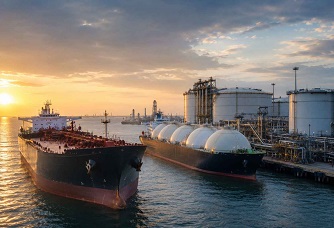
Rising energy imports also include liquefied natural gas, which supports power generation, fertilizers, and city gas distribution. The Red Sea route plays a key role in LNG shipments to India. Any disruption forces cargo rerouting around the Cape of Good Hope, increasing delivery time and costs.
India imports nearly half of its gas demand, which makes LNG supply stability essential. Rising energy imports in the gas segment could face shortages or price spikes, affecting industrial output and energy availability.
Rising energy imports highlight India’s structural dependence on external suppliers. Domestic production meets only a small portion of demand, while consumption continues to grow due to industrial expansion and urbanization.
CareEdge emphasizes that India must diversify sourcing strategies and strengthen strategic petroleum reserves. Rising energy imports require policy action to reduce dependence on vulnerable routes and ensure supply resilience.
Rising energy imports place India at the center of global supply chain risks. Dual disruptions in Hormuz and the Red Sea could create a severe energy shock, driving prices higher and tightening supply. Data-backed projections from CareEdge show that India must act quickly to manage this exposure through diversification, reserves, and long-term energy transition strategies.
.jpg "Textile Special")






We use cookies to ensure you get the best experience on our website. Read more...