India’s footwear market is no longer driven by price alone. As consumers demand greater comfort, design, durability and performance, brands are rethinking how innovation, manufacturing and technology can create lasting value without pushing products beyond accessible price points.
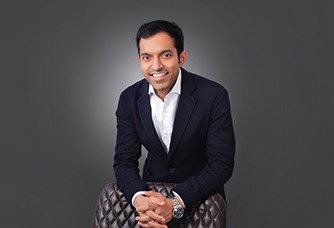
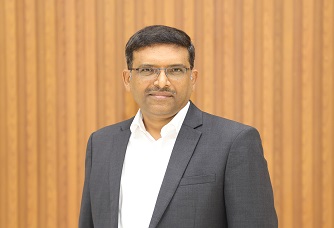
Aayush Jindal, CEO, Asian Footwears, engaged in a conversation with Thiruamuthan, Assistant Editor at Industry Outlook, discusses the forces reshaping India’s footwear industry and the evolving dynamics influencing its next phase of growth. He shares insights into the changing value equation, product innovation, manufacturing efficiency, technology adoption and the factors shaping the sector’s next phase of growth.
Read the full conversation to understand how footwear companies can build consumer value at the intersection of affordability, innovation and trust.
You came into Asian Footwears after working at Bain and building Aermed. What did those experiences change in the way you look at “value” when building a consumer brand?
I have come to believe that value is different for each customer. At Bain, it was a high-end consulting firm, but clients saw value in the expertise, problem-solving and outcomes we provided. At Aermed, the proposition was different. We offered discounted medicines, but the value for customers was also about faster delivery and access to authentic medicines.
That experience shaped how I think about value at Asian Footwears. For us, value means giving consumers good quality products at the right price. We focus on offering comfort, design and technology while keeping our products accessible to a wide range of consumers.
I've observed, it's that value is not the same as low price. It's about a customer feeling that what they paid for is truly worth it — and what creates that feeling will always look a little different for each person.
Indian footwear consumers remain highly price-conscious, but expectations around comfort, design, durability and performance are rising. What has changed most in the way consumers define value today?
I would say the biggest change is that consumers today expect more from every rupee they spend. Price is still important, but value now also means comfort, design, durability and performance. At Asian, we have always believed that good technology and better comfort should not be limited to premium-priced footwear. Our focus is to bring innovation and contemporary design to consumers at accessible price points. That, in my view, is what will define value in Indian footwear going forward.
The future of value in footwear lies in making comfort, technology and design accessible without asking consumers to pay a premium for innovation.
Asian has invested in technologies such as Hypercushion, Aerofoam, Nitro Capsule, and Memory Foam. How do you decide when a product innovation genuinely adds consumer value rather than simply adding features?
For us, innovation has to solve a real consumer need rather than simply add another feature to the product. Before we invest in any new technology, we ask a simple question: will the consumer actually notice and feel this difference when they wear the shoe? If the answer is yes, we then look at whether it can be delivered at a price point that keeps the product accessible. That's the filter we've applied to technologies like Hypercushion, Aerofoam, Nitro Capsule and Memory Foam. Each had to clear both bars before it went into a shoe.
The mass-premium segment is becoming increasingly competitive. Where do you see the difficult balance between keeping products accessible and investing enough in materials, technology and design to justify a higher perceived value?
I think the balance comes down to being disciplined about where you spend. Not every part of a shoe needs a bigger budget. The money should go into what the consumer can actually see and feel when they try it on, whether that's the comfort, the fit or the finish. Everything else, like sourcing efficiency, scale and processes, should work quietly in the background to help manage those costs without pushing up the price. The mistake a lot of brands make is spreading their investment evenly across the whole product instead of concentrating it where the consumer will actually notice it.
With thousands of products and a wide retail network, how are consumer and sales data influencing decisions on what to develop, discontinue or scale?
Data is an important part of how we make these decisions. Through AsianGPT, which is trained on over 30 million real orders, we can identify trends, regional preferences, price points and product gaps. We combine these insights with feedback from our retail network to decide which products to develop, scale or phase out. This helps us keep the portfolio relevant to what consumers are actually looking for.
Footwear is a category where consumers can easily compare products on price across online and offline channels. How can a brand build enough differentiation that the lowest price does not become the deciding factor?
Price will always be a consideration in footwear, but you can’t build a long-term business on just competing on price. The differentiation has to come from the overall value it provides – better comfort, design, quality, performance and a reliable brand experience. If consumers can see and feel that difference, the conversation goes beyond just “who is cheaper”. For us, it is about bringing that value add and still keeping the product affordable to the Indian consumer.
Manufacturing and supply-chain efficiency ultimately influence what a consumer pays. Where are the biggest opportunities to improve the value equation without compromising product quality?
I believe the biggest opportunity is to improve efficiency across sourcing, manufacturing, inventory and distribution. Better demand forecasting and supply-chain planning can reduce wastage and unnecessary costs. The key is to achieve these efficiencies through better processes and technology, without compromising on the quality of the product.
Also Read: How Technology and Sustainability Shape Modern Sports Gear
As consumers become more conscious of sustainability, durability and materials, do you see these factors becoming part of the definition of value in Indian footwear—or does price still dominate the decision?
Price will continue to be an important consideration for Indian consumers, but the definition of value is gradually becoming broader. Consumers are increasingly asking how long a product will last, what materials go into it and whether it offers better performance over time. Sustainability is becoming part of that conversation as well, particularly among younger consumers. I don’t think price and sustainability are competing priorities; the real opportunity for the industry is to make better materials and more responsible manufacturing commercially viable while keeping products accessible. Ultimately, consumers want products that are good for their pocket, perform well and last longer.
Looking ahead, what do you believe Indian footwear brands will have to get right to earn consumer loyalty when price, product and technology are all becoming easier to replicate?
From my perspective, the biggest thing brands will have to get right is trust. Products and technology can be replicated, but building a brand that consistently delivers on its promise takes time. Consumers remember whether the product was comfortable, durable and worth what they paid for, but they also remember the experience they had with the brand.
For Indian footwear brands, staying close to the consumer, understanding changing needs and consistently delivering good quality at the right price will be critical. Technology can help us move faster, but ultimately, loyalty comes from consistency and trust.
Your personal mantra?
My personal mantra has always been to keep the customer at the center of everything we do and continue to innovate to stay ahead of the times.





We use cookies to ensure you get the best experience on our website. Read more...