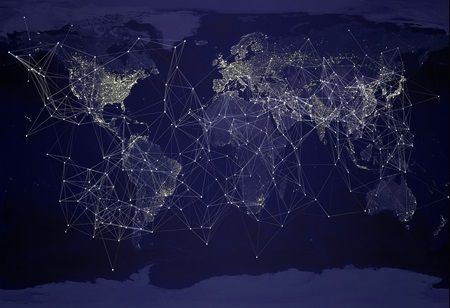
The race for Rare Earths is changing global trade and geopolitics. Countries now see these critical minerals as strategic assets.
Rare Earths have become central to economic growth, technology, and national security. The competition is no longer limited to mining. It now includes processing, refining, and manufacturing, where a few countries hold a clear advantage.
These minerals are essential for electric vehicles, smartphones, wind turbines, semiconductors, artificial intelligence, and advanced defense systems. Their growing demand has turned them into one of the world's most valuable resources.
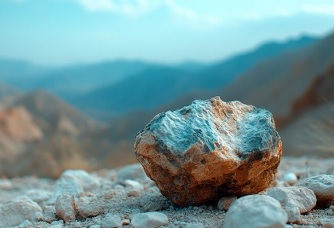
Despite their name, rare earth minerals are not actually rare. However, they are difficult and expensive to extract and refine. The refining process also requires specialized technology and significant investment.
Rare earth minerals are used in several high-value industries, including:
As countries shift toward clean energy and digital technologies, demand for these minerals continues to rise.
China dominates the global rare earth supply chain. It controls a large share of mining, refining, and magnet production. This position gives Beijing significant influence over industries that depend on these minerals.
The biggest challenge is not mining alone. Processing and refining remain concentrated in China after decades of investment and infrastructure development.
This dominance has raised concerns across major economies. Several countries now want to reduce their dependence on a single supplier.
Governments are investing in new mining projects, processing plants, and recycling technologies. They are also forming partnerships to build stronger and more diversified supply chains.
The United States, Japan, Australia, and European countries have accelerated efforts to secure alternative sources. These moves aim to protect industries from future supply disruptions.
Also Read: From Compliance to Value: Rethinking ESG in FMCG Operations
India has notable reserves of rare earth minerals. However, the country still trails global leaders in mining, refining, and value-added manufacturing.
Experts believe India has an opportunity to expand its role in the global supply chain. Stronger investments, faster approvals, and advanced processing facilities could help unlock this potential.
Building domestic capabilities will also support sectors such as electric vehicles, renewable energy, electronics manufacturing, semiconductors, and defense production.
The global race for rare earth minerals is no longer just about natural resources. It is about economic influence, technological leadership, and national security. Countries that secure reliable supplies and build complete value chains will be better positioned in the next phase of industrial growth.



We use cookies to ensure you get the best experience on our website. Read more...