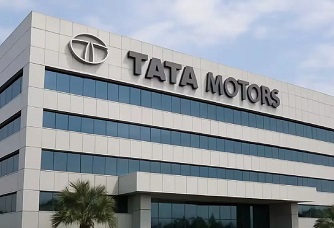
Tata Motors has sought targeted incentives for entry-level electric vehicles in the upcoming Union Budget 2026, stating that focused policy support is required to sustain demand and strengthen EV adoption in India at the mass-market level.
The company has also recommended extending incentives to electric vehicles for fleet operations under the PM E-DRIVE scheme.
According to the automaker, fleet-led electrification can play a decisive role in scaling volumes, improving utilisation rates, and supporting the expansion of EV charging infrastructure across urban centres.
Speaking to the media, Shailesh Chandra, Managing Director and Chief Executive Officer of Tata Motors Passenger Vehicles, said recent measures such as tax rationalisation, changes under GST 2.0, and softer interest rates have aided a recovery in passenger vehicle demand. However, he noted that entry-level EVs are under pressure as pricing gaps with petrol vehicles have narrowed.
Also Read: Coca-Cola Eyes Acquisition Opportunities in India, Says CFO
Chandra said revisions in the GST framework have reduced the effective cost of internal combustion engine cars, impacting the price competitiveness of smaller electric models. This has made affordable EVs less attractive for first-time buyers and budget-conscious consumers, a segment critical for long-term electrification goals.
Tata Motors said continued policy support is necessary as manufacturers invest in localisation, battery sourcing, and new platforms aligned with India's EV policy objectives. Entry-level products, the company added, are essential for expanding the customer base beyond early adopters and accelerating electric mobility penetration.
The automaker further stated that incentives for fleet operators would improve EV total cost of ownership, increase deployment in shared mobility, and deliver faster emissions reduction. Tata Motors currently leads the domestic passenger EV market and plans further expansion of its electric portfolio.
Industry participants are watching the upcoming Budget for clarity on long-term incentives aimed at affordability, domestic manufacturing, and demand stability.






We use cookies to ensure you get the best experience on our website. Read more...