India's defense and aerospace sectors are witnessing a period of rapid activity in 2026.
From missile defense testing and large drone procurement programs to aerospace manufacturing partnerships and engineering investments, recent developments indicate that the country is strengthening its position in both defense technology and industrial production.
The latest announcements show that India is not only expanding its military capabilities but also building a broader ecosystem that includes drone manufacturing, aerospace engineering, advanced electronics, insurance services, and export-oriented production. Together, these developments are creating new opportunities for companies across the defense value chain.
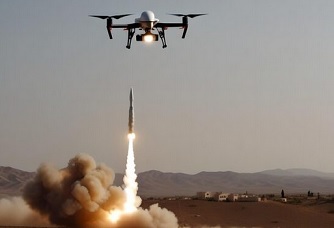
One of the most important developments came from India's successful ballistic missile defense (BMD) tests. The tests demonstrated the country's growing ability to detect, track, and intercept incoming missile threats. The achievement is part of a larger effort to build a multi-layered defense network capable of protecting key military and civilian assets.
The successful trials highlight India's continued investment in indigenous defense technologies. As regional security challenges evolve, advanced missile defense systems are becoming an important part of national security planning.
At the same time, the Ministry of Defence is moving forward with several modernization programs focused on surveillance, air defense, unmanned systems, and network-centric warfare. These initiatives are expected to create long-term opportunities for domestic manufacturers and technology providers.
Also Read: India’s Defence Manufacturing Opportunity & Evolving Policy Landscape
Drones have emerged as one of the fastest-growing segments within India's defense and technology sectors. Recent reports suggest that the country is increasingly relying on domestically developed drone platforms for both military and civilian applications.
A major indicator of this trend is the Rs 30,000 crore defense drone program, which has attracted leading companies including HAL, Tata Group, and Larsen & Toubro. The project is expected to boost local manufacturing and strengthen India's unmanned systems capabilities.
The Indian Army is also expanding the deployment of drones for surveillance, reconnaissance, logistics, and operational support. Hyderabad-based Drogo Aerospace recently delivered drones to the Army, reflecting the growing participation of startups and emerging technology firms in defense procurement.
Beyond defense, drones are finding applications across agriculture, infrastructure monitoring, mapping, mining, and logistics. According to industry reports, logistics and clean-tech sectors have witnessed significant growth in drone adoption over the past three years.
As commercial drone operations increase, supporting industries are also gaining importance. Drone insurance is becoming a key requirement for businesses operating unmanned aerial vehicles, helping manage risks and support wider adoption.
Also Read: Importance of Integrating Robust Fire Safety Systems
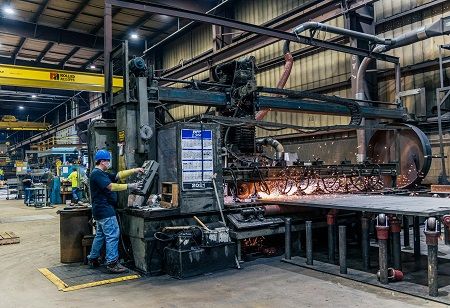
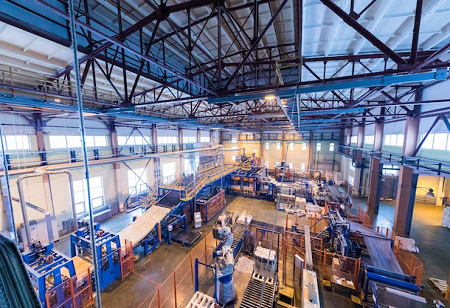
India's aerospace manufacturing sector continues to attract new investments and partnerships. Companies are expanding production facilities and strengthening their presence in global supply chains.
A recent example is Jeh Aerospace, which signed a multi-year agreement with Solestra while inaugurating a dedicated global manufacturing center. The move reflects growing confidence in India's ability to support international aerospace production requirements.
Such developments align with the government's broader objective of increasing domestic manufacturing and reducing dependence on imports. Aerospace firms are investing in precision engineering, advanced materials, and export-focused production capabilities.
The sector is also benefiting from rising demand for aircraft components, defense systems, and maintenance services. As global aerospace companies look to diversify their supply chains, India is positioning itself as an attractive manufacturing destination.
Another notable trend is the rise of strategic technology partnerships.
Garuda Aerospace recently partnered with France-based Extensee SAS to support the global deployment of Airbus Flexrotor unmanned systems. Such collaborations help Indian companies gain access to international markets and advanced technologies.
Meanwhile, GE Aerospace and Wolfspeed announced efforts to advance high-voltage silicon carbide technologies. Silicon carbide semiconductors are increasingly important for aerospace, defense electronics, and next-generation power systems due to their efficiency and performance advantages.
The engineering services sector is also undergoing changes. AXISCADES announced plans to divest its aerospace engineering services business to Akkodis. The transaction reflects ongoing consolidation and specialization within the aerospace engineering market.
These partnerships and business decisions indicate that companies are preparing for a future where advanced technologies, specialized expertise, and global collaboration play a larger role in defense and aerospace development.
The recent wave of announcements shows that India's defense growth story is no longer limited to weapons and military platforms. A wider ecosystem is emerging that includes manufacturers, software developers, engineering firms, insurers, component suppliers, and technology startups.
This ecosystem approach is helping create stronger domestic capabilities while improving competitiveness in international markets. As investment continues to flow into drones, missile defense, aerospace manufacturing, and advanced technologies, the sector is expected to contribute significantly to industrial growth and job creation.
The developments seen in 2026 point to a broader transformation within India's defense and aerospace sectors. Successful missile defense tests, large-scale drone programs, new manufacturing investments, international partnerships, and expanding technology capabilities are all contributing to this shift.
While challenges remain, the direction is clear. India is working to strengthen its defense preparedness while simultaneously building a modern industrial ecosystem around aerospace, drones, engineering, and advanced technologies. If current momentum continues, 2026 could be remembered as an important year in the evolution of India's defense growth story.







We use cookies to ensure you get the best experience on our website. Read more...