Renewable power is becoming a central part of Hindustan Zinc’s strategy as the company accelerates its shift toward lower-carbon mining and smelting.
The Vedanta Group company has raised renewable power’s share of overall consumption to 22 per cent, up from about 18 per cent in FY26, and targets nearly 70 per cent by FY28.
FY26 green power generation reached 892 million units, compared with 632 million units in FY25. It also expanded its round-the-clock renewable power agreement with Serentica Renewables from 450 MW to 530 MW.
The move combines clean power procurement, energy storage, infrastructure upgrades and efficiency projects across Rajasthan and Uttarakhand.
Hindustan Zinc’s renewable power strategy covers mining and smelting operations in Rajasthan and Uttarakhand. The company increased clean energy’s contribution through internal generation and renewable power procurement. FY26 green power generation reached 892 million units, up about 41 per cent from 632 million units in FY25.
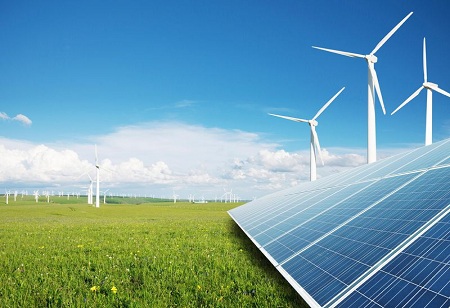
The company aims to improve electricity reliability. It’s expanded 530 MW round-the-clock renewable power arrangements with Serentica Renewables, combining renewable generation with energy storage. The portfolio combines solar, wind, and storage for continuous power. The arrangement guarantees 315 MW in every 15-minute time block.
Also Read: From Mining to Metals: Strengthening India's Steel Value Chain
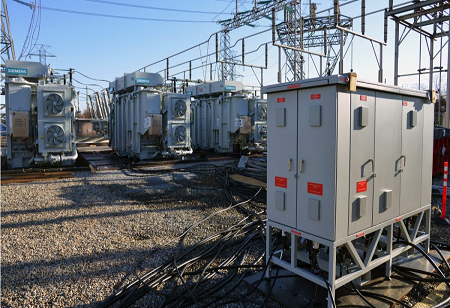
Hindustan Zinc plans to source nearly 70 per cent of its total electricity requirements from renewable energy by FY28. It is upgrading connectivity from the state transmission network to the central transmission utility as the central transmission utility expands clean power infrastructure.
The company improves energy efficiency through waste-heat-recovery boiler-steam-turbine systems. Floating solar installations on water ponds add renewable generation within operations. These projects complement renewable power procurement and support higher clean electricity use.
Hindustan Zinc’s renewable power expansion supports its low-carbon metals strategy. The company has linked cleaner electricity with its EcoZen zinc offering. Its clean energy program also supports its Science Based Targets initiative-validated pathway toward Net Zero emissions by 2050 or sooner.
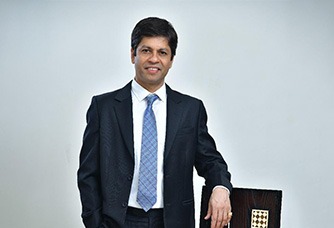
Amarendu Prakash, CEO of Hindustan Zinc, said renewable power has become fundamental to building a more resilient, competitive and responsible business. He added that changing how the company powers its operations can strengthen its low-carbon position while supporting India’s energy security goals.
This move from 22 per cent renewable power toward 70 per cent by FY28 expands clean energy across an energy-intensive business. It will need renewable capacity, storage and transmission infrastructure.
.jpg "Saksham Enterprises: Optimizing Mission- Critical HVAC Infrastructure For The High Precision Sector")

.jpg "JDS Group of Companies: Innovating Smart Solutions For Modern Power Transmission & Distribution Infrastructure")


We use cookies to ensure you get the best experience on our website. Read more...