.jpeg "West Asia Crisis Forces FMCG Firms to Diversify Supply")
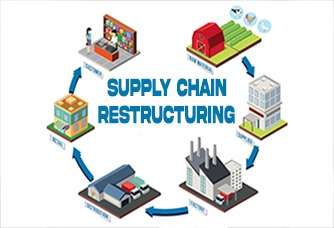
The geopolitical tensions in West Asia are compelling Indian consumer goods companies to reconfigure supply chains, diversify sourcing, and localize production to mitigate operational risks.
The ongoing Iran conflict and disruption of the Strait of Hormuz have significantly impacted trade routes, prompting companies to reassess long-standing manufacturing and logistics strategies.
Major FMCG players including Dabur, Britannia Industries, Tata Consumer Products, and Emami have initiated strategic shifts to ensure business continuity. Dabur, which earlier relied heavily on Ras Al Khaimah in the UAE, has moved part of its production to India, Egypt, and Turkey, despite higher costs, while also establishing alternative export routes.
Also Read: Cost Inflation Forces FMCG Firms to Rethink Pricing Strategies
Britannia has transitioned manufacturing for West Asia and North American markets from Oman to its Mundra facility in Gujarat, reducing dependence on disrupted maritime routes. “We have taken measures to ensure the supply channels that we have now are not dependent on the Hormuz Strait,” Britannia CEO Rakshit Hargave said.
Tata Consumer Products has diversified sourcing of key materials such as plastic closures and PET, reducing reliance on imports routed through the Gulf. Meanwhile, its Capital Foods business faced export disruptions to the US, although conditions have begun stabilizing.
Emami, which had significant manufacturing presence in the UAE, reported a decline in international business due to the crisis and has reduced local production. “We have been able to reset with 2% growth in April. We are expecting things to get stable by June. And from the second quarter, we should be able to deliver double-digit growth,” said Vivek Dhir, CEO, Emami.
The developments clearly signal a broader industry pivot toward resilient and multi-location supply chains.







We use cookies to ensure you get the best experience on our website. Read more...