.jpeg "India Boosts Urea Imports to Avoid Kharif Supply Shock")
India has moved swiftly to secure fertilizer supplies ahead of the upcoming kharif sowing season, issuing a global tender to import 1.7 million tonnes of urea amid rising concerns over global supply disruptions.
The move comes at a time when geopolitical tensions in West Asia are impacting the availability and cost of key raw materials like natural gas, which is critical for urea production.
As demand is set to surge in the coming weeks, the government is focusing on building adequate buffer stocks to ensure farmers have uninterrupted access to fertilizers during the peak planting period, while also shielding the agriculture sector from global volatility.
The bigger problem behind this move is the ongoing geopolitical tension in West Asia, which is affecting key raw materials used in fertilizer production.
A common question here would be: What does a war have to do with fertilizers? The connection is through natural gas, a critical input for producing urea. Around 80% of the gas used in India’s fertilizer sector is imported, and a large share of that comes from the Middle East.
Due to the conflict in the region, supply routes have become uncertain, and shipments of liquefied natural gas (LNG) have faced disruptions. This has created pressure not just on India, but on fertilizer producers globally.
As a result:
Another issue is logistics. Key shipping routes like the Strait of Hormuz, through which a large portion of global energy and fertilizer trade passes, have seen disruptions. This has pushed up freight costs and delayed shipments.
So, India is not just dealing with demand, but it is responding to a global supply risk that could worsen if the situation continues.
This is the most important question for most readers: Will fertilizer become expensive or harder to access?
In the short term, the government has said that availability remains comfortable. Current stock levels, along with incoming imports, are expected to meet the kharif season demand.
However, global urea prices have already risen sharply, with some estimates suggesting they have nearly doubled compared to pre-conflict levels. This means India is now importing fertilizers at a much higher cost.
For farmers, prices may not immediately rise because fertilizers like urea are heavily subsidized by the government. But higher import costs increase the government’s subsidy burden significantly.
In simple terms:
Over time, if global prices remain high, it could lead to:
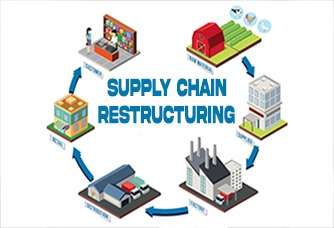
Another key point is diversification. India has started sourcing urea from countries like Russia, Egypt, Qatar, and Nigeria, reducing its dependence on the Middle East. This is a long-term strategy to make supply chains more stable.
Also Read: The Flow of Advancements Happening in Agrochemical Manufacturing
India’s latest urea import tender is less about immediate shortage and more about preparing for uncertainty. With global supply chains under stress and demand about to peak, the government is taking no chances.
The takeaway is simple: India is securing fertilizer early to ensure farmers are not affected, but the real pressure is building in the background through rising global costs and geopolitical risks.







We use cookies to ensure you get the best experience on our website. Read more...