.jpeg "FMCG Price Hikes Likely as Input Costs Surge Across Categories")
FMCG companies are bracing for another round of price hikes as persistent raw material inflation continues to strain cost structures, according to a Systematix Research report.
The sector has already witnessed price increases of 3–7 percent over the past one to two months, driven by an 8–10 percent surge in input costs, and further hikes or grammage cuts now appear imminent.
The report underscores that companies across food & beverage (F&B) and home & personal care (HPC) segments are increasingly relying on a combination of pricing strategies, product mix adjustments, and cost efficiencies to offset inflationary pressures. However, this shift toward price-led growth signals a structural change in how FMCG companies are managing profitability in a volatile input cost environment.
A key trend emerging is the growing contribution of pricing to overall revenue growth. During the first half of FY27, pricing and volume are expected to contribute almost equally, marking a departure from traditional volume-driven growth models. While this may help protect absolute gross profits, it raises concerns around consumption, as higher retail prices could dampen demand in price-sensitive segments.
Input cost inflation remains broad-based and acute. Palm oil prices have increased by 11 percent, while Brent crude has surged 32 percent amid geopolitical tensions in West Asia. Packaging costs have seen even sharper escalation, with HDPE prices rising by 56 percent, significantly impacting categories dependent on plastic packaging such as detergents, personal care products, and packaged foods.
Early signs of margin pressure are already visible in company performance. During the fourth quarter of FY26, gross margins of leading FMCG players contracted by around 50 basis points year-on-year and 30 basis points sequentially. The report suggests that the full impact of ongoing cost inflation will become more evident in the first half of FY27, keeping overall margin outlook under pressure.
Also Read: How Guar Gum is Revolutionizing the Cosmetics and Personal Care Industry
One of the central challenges for FMCG companies will be maintaining demand stability while implementing price increases. In a market like India, where consumption remains highly price-sensitive, aggressive pricing actions risk eroding volumes, particularly in mass and rural segments.
To navigate this, companies are likely to adopt calibrated pricing strategies, including smaller, staggered hikes and grammage reductions, to minimize consumer resistance. At the same time, there will be a stronger push toward premiumization and value-added products, where pricing power is relatively higher.
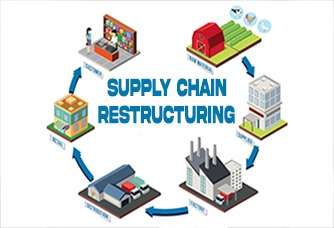
Beyond pricing, improving operational efficiency will play a critical role in protecting margins. Companies are expected to intensify cost optimization efforts across procurement, logistics, and manufacturing, while also leveraging scale and supply chain efficiencies.
The use of data-driven demand planning and inventory management could further help mitigate volatility in input costs. However, these measures alone may not fully offset the magnitude of current inflationary pressures, making pricing interventions inevitable.
The current inflation cycle is forcing FMCG companies to rethink their growth and profitability strategies. What was once a volume-led industry is gradually transitioning into a hybrid model where pricing plays an equally critical role.
This shift, however, is not without risk. Sustained price hikes in an inflationary environment could lead to demand compression, particularly in essential categories where consumers have limited flexibility but high sensitivity to price changes. The balance between protecting margins and sustaining consumption will define sector performance over the coming quarters.
More importantly, the situation highlights the sector’s vulnerability to global commodity cycles. Dependence on inputs such as palm oil, crude derivatives, and petrochemical-based packaging exposes companies to external shocks, many of which are beyond their control.
The current phase is less about short-term margin protection and more about building long-term adaptability in an increasingly volatile cost environment.






We use cookies to ensure you get the best experience on our website. Read more...