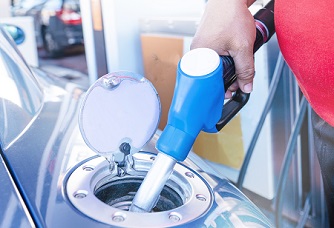
The government has amended the Central Motor Vehicles Rules to formally recognize E100 fuel for flex-fuel vehicle production.
This regulatory green light removes the final compliance barrier that stood between automakers and the commercial launch of E100-compatible models in India.
Manufacturers can now certify, produce and sell vehicles built to run on up to 100% ethanol.
The notification, issued on 23 October 2026, arrives months before several companies plan to introduce their E100 transition, giving the industry a clear path from development into production and market entry.
The amendment adds E100 alongside E85 in emission-related provisions and updates fuel specifications and testing requirements. These fuels apply only to vehicles that original equipment manufacturers specially design and certify for high-ethanol blends.
Existing E20 or conventional petrol vehicles remain unaffected. Owners of current cars do not need to switch fuels or modify their vehicles now or in the future. The updated rules give OEMs a defined compliance pathway for certification and approval of flex-fuel platforms.
This rule change supplies the green light manufacturers needed to shift from prototype and testing stages into full production. Flex-fuel vehicles demand specialized engine calibration, fuel-system components, and materials that can handle high ethanol content.
Companies such as Maruti Suzuki, Toyota, Hyundai, and others have already developed such platforms. The regulatory clarity now lets them finalize certification and schedule commercial rollouts. The move supports domestic manufacturing of an entirely new vehicle category rather than limited pilots or imported solutions.
Key points for industry:
Also Read: Flex-Fuel Guidebook: Accelerating the Ethanol Mobility Revolution
Higher ethanol use can lower India’s dependence on crude oil imports and reduce certain tailpipe emissions such as carbon monoxide and hydrocarbons. Ethanol carries a lower fossil carbon footprint than conventional petrol. Successful manufacturing still depends on parallel progress in fuel availability at retail stations and consumer acceptance of the new technology.
With the regulatory framework now in place, the focus shifts to manufacturers’ ability to bring certified E100 vehicles to market and scale production. The rule change stands as a necessary and timely enabler for India’s flex-fuel manufacturing ambitions, clearing the path for a new category of domestically built vehicles.






We use cookies to ensure you get the best experience on our website. Read more...