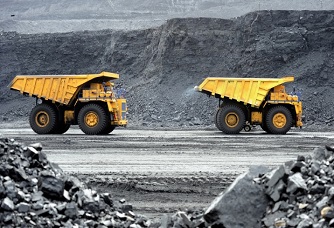
India’s mine block operationalisation is gathering momentum, with a growing number of auctioned mineral blocks moving into production as the government intensifies efforts to strengthen domestic mineral security and reduce import dependence.
A rising number of auctioned mine blocks are now moving closer to production, supported by faster approvals, policy reforms, and better coordination between the Centre and state governments. The progress is seen as a major step toward reducing import dependence and ensuring steady access to minerals needed for infrastructure, manufacturing, steel, and energy sectors.
The increasing pace of mine operationalisation comes at a crucial time when India is working to secure essential minerals for long-term industrial growth. Government officials believe faster activation of mining projects will not only improve raw material availability but also create jobs, increase state revenues, and support the country’s broader economic growth goals.
Also Read: Toyota's Rs 1,200 Cr Bet on KWIN City Signals Mobility Shift
According to government data, 36 mineral blocks have become operational in the current fiscal period, including 28 greenfield projects and eight brownfield mines. This marks a clear improvement in the speed at which auctioned mines are transitioning from allocation to actual production — an area that had faced repeated delays in the past.
Turning a mine block into an active project involves several stages, including environmental clearances, forest approvals, land access, and infrastructure development. In earlier years, these processes often slowed progress considerably. However, officials say continuous monitoring and streamlined procedures are now helping reduce delays and encouraging faster movement on the ground.
To further improve operationalisation, the government has also introduced financial support for states. A ₹5,000 crore incentive scheme for fiscal year 2026–27 aims to encourage faster mine auctions, quicker approvals, and stronger digital monitoring systems. Authorities believe this will motivate states to improve efficiency and speed up the launch of mining projects.
Even with rising operational activity, industry experts say several challenges still need attention. Delays linked to land acquisition, environmental approvals, and forest clearances continue to affect timelines in some regions. Mining companies have also raised concerns over high premiums and operational costs, which can slow project viability.
Still, the mining sector appears to be moving in a more positive direction. Since India introduced auction-based mining in 2015, efforts have steadily increased to make the system more transparent and efficient. Government figures suggest that more than 100 auctioned mineral blocks are now operational, highlighting stronger execution compared to earlier years.
Mineral-rich states producing iron ore, limestone mining, critical minerals, and manganese are witnessing increased activity, supporting sectors such as construction, steel, and manufacturing. As India continues investing in infrastructure, renewable energy, and industrial expansion, demand for minerals is expected to rise sharply.
Experts believe sustained reforms, quicker approvals, and stronger coordination between governments will be essential to maintaining the current pace. If the momentum continues, India’s mining sector could play an even larger role in supporting economic growth while strengthening the country’s goal of becoming more self-reliant in critical resources.


.jpg "Fostering High-precision, High-performance with Optimal Metal Finishing Excellence")



We use cookies to ensure you get the best experience on our website. Read more...