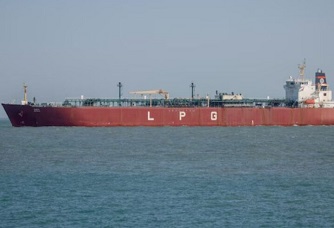
India’s Hormuz oil push is emerging as a key step in protecting the country’s energy security as New Delhi prepares to send oil tankers through Hormuz to secure fresh crude supplies amid rising geopolitical uncertainty in West Asia. The move reflects India’s growing urgency to maintain stable oil imports, control fuel costs, and reduce the risk of supply disruptions that could impact domestic markets and industrial demand.
India is preparing to resume oil tanker movement through the Strait of Hormuz, one of the world’s most strategically important shipping routes for crude oil. The decision comes after months of uncertainty caused by tensions in the Gulf region, which disrupted tanker movement and pushed up insurance and transportation costs for energy shipments.
According to reports, Indian authorities are evaluating plans to allow state-backed shipping operators to begin carrying crude through the route once approvals are finalized. The move is expected to strengthen India’s ability to secure Middle East oil supply from Gulf nations, which continue to remain among the country’s biggest energy partners.
Also Read: India Copper Giants Push Back Against Scrap Rod Standards
The Strait of Hormuz plays a crucial role in global oil market trade, carrying a major share of the world’s crude exports. For India, uninterrupted access to this route is essential because the country imports a large portion of its crude oil needs. Any disruption can affect refinery operations, fuel prices, and supply stability across sectors.
Officials and industry experts believe restoring tanker movement through Hormuz could help Indian refiners avoid delays and reduce dependence on expensive alternative sourcing options. Over the past few months, several companies had looked at shipments from distant regions, including the United States and Africa, but longer travel times and higher logistics costs created operational challenges.
India’s latest move also highlights its continued reliance on Gulf oil suppliers for crude imports. Oil from the Middle East remains cost-effective and logistically easier to transport compared to shipments from other regions, making it an important part of the country’s crude oil supply planning.
The government and domestic refiners have reportedly been reviewing supply strategies more closely due to changing geopolitical conditions. Indian oil refiners have increased spot purchases in recent weeks as companies seek to maintain stable inventory levels and avoid supply gaps.
At the same time, rising freight charges and insurance premiums continue to remain a concern for the shipping industry. Many tanker operators had either paused movement or explored alternate routes to reduce risks linked to regional tensions.
While the planned return of tankers through Hormuz is seen as a positive development, uncertainties remain. Industry experts warn that geopolitical risks in the region have not disappeared completely, meaning shipping disruptions could still return if tensions rise again.
Oil tanker freight rates have increased significantly in recent months, putting pressure on refiners and importers worldwide. Analysts say India’s decision reflects a practical balancing act — securing stable crude supplies while trying to keep fuel price stability under control.
If tanker movement resumes smoothly, it could help ease pressure on India’s energy market, improve supply confidence, and reduce concerns about fuel shortages. However, the India oil supply chain is expected to remain sensitive to developments in the Gulf region, making energy security a continuing priority for policymakers and industry leaders.







We use cookies to ensure you get the best experience on our website. Read more...