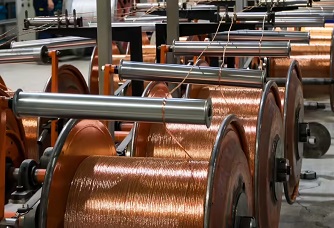
Adani copper producers, Vedanta copper industry, and Hindalco copper rods manufacturers have raised concerns over proposed scrap copper rod norms, as India’s leading companies oppose the inclusion of scrap-based copper rods in official standards.
Industry leaders argue the move could affect product reliability and safety in electrical systems, sparking a wider debate within the India copper industry over quality control and sustainability.
The debate centers on FRHC copper rods, a type of copper wire rods widely used in electrical cables, transformers, power systems, and industrial equipment. Large manufacturers believe copper rods produced from recycled scrap may not always achieve the high purity needed for critical electrical applications.
Industry experts warn that inconsistent copper quality could impact performance, increase overheating risks, and reduce durability in infrastructure projects. Since these products are essential for power transmission and manufacturing, major producers say maintaining strict copper quality standards is necessary to ensure safety and long-term efficiency.
The opposition is being led by large companies through the Indian Primary Copper Association (IPCA), which includes some of India’s biggest producers. According to industry representatives, copper products used in electrical systems should meet strict purity benchmarks to maintain consistent conductivity and dependable performance.
Also Read: India Sends Boeing 787 Fuel Switch to US Amid Safety Probe
However, secondary producers and recyclers have defended the inclusion of scrap-based materials, arguing that modern refining technologies are capable of producing copper that meets industrial requirements. Supporters say the recycled copper industry plays an important role in reducing waste, supporting sustainability, and lowering dependence on imported materials.
Smaller refiners also argue that excluding recycled copper from official standards could limit fair competition and create challenges for businesses that depend on scrap-based manufacturing.
The discussion comes at a time when India copper demand is increasing sharply due to rapid investments in renewable energy, infrastructure, electric vehicles, and industrial expansion. Copper continues to play a major role in strengthening power networks and supporting the country’s manufacturing growth.
Many industry experts believe recycled copper can help bridge supply gaps as demand rises. However, major producers insist that safety should remain the top priority, particularly in electrical copper applications where material quality directly affects reliability.
The final decision on the inclusion of scrap-based copper products in India’s standards framework is expected to significantly impact the future of the India copper industry, influencing manufacturing practices, competition, and sustainability efforts in the years ahead.






We use cookies to ensure you get the best experience on our website. Read more...