.jpeg "India Inc Shrinks Packs, Raises Prices as Iran War Pressures Margins")
Indian companies are raising prices and shrinking pack sizes as Iran's war-driven oil, freight and input costs surge, squeezing margins, forcing companies to rethink pricing, costs and supply chains.
From FMCG to automobiles and aviation, businesses are grappling with rising oil prices, higher freight and insurance costs, and currency pressures, forcing a mix of pricing actions and cost-control measures.
Consumer goods companies such as Hindustan Unilever, Godrej Consumer Products, and Dabur India have already implemented low- to mid-single-digit price increases across categories. Britannia is also preparing similar moves.
However, in price-sensitive segments, especially Rs 10–20 packs, companies are avoiding direct price hikes and instead reducing product grammage, a strategy commonly referred to as shrinkflation.
“We are reducing grammage because we can’t breach those price points,” said Dabur Global CEO Mohit Malhotra, highlighting the limitations companies face in passing on costs to consumers.
Automobile manufacturers, including Maruti Suzuki, Mahindra & Mahindra, Tata Motors Passenger Vehicles, and Hyundai Motor India, have raised vehicle prices amid rising input costs.
“We were left with no choice,” said Partho Banerjee of Maruti Suzuki, noting that price hikes are particularly challenging for first-time buyers.
In aviation, airlines such as IndiGo and Air India are trimming capacity, especially on fuel-intensive international routes and increasing fares to offset rising aviation turbine fuel costs.
Also Read: West Asia Crisis Forces FMCG Firms to Diversify Supply
The geopolitical situation has disrupted global trade routes, increasing logistics costs and creating supply uncertainties. For import-dependent economies like India, the impact is amplified by a weaker rupee, which further raises input costs.
Economist Jayati Ghosh warned that India remains highly vulnerable to such external shocks, citing risks including:
These factors could collectively fuel inflation while dampening economic growth.
With limited ability to pass on rising costs, companies are tightening internal spending.
Hindustan Unilever has reduced advertising expenditure, while others are cutting non-essential travel and marketing costs. However, analysts caution that the scope for further cost reduction is narrowing.
“Prolonged commodity and fuel inflation could force sharper price hikes or margin compression,” said Uttam Kumar Srimal of Axis Direct.
Sectors with high global exposure, such as aviation, oil and gas, chemicals, logistics, and capital goods, are expected to remain under sustained pressure.
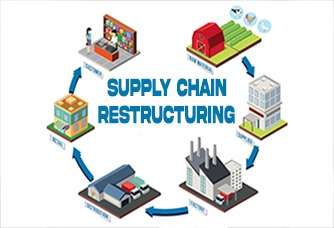
To navigate disruptions, companies are reconfiguring supply chains and sourcing strategies.
These moves reflect a broader shift toward supply chain resilience and tighter working capital management.
Rising prices across categories, from travel to packaged goods, are beginning to weigh on consumer sentiment.
Even relatively insulated consumers are cutting back. “I’m still watching my spending as prices are up for almost everything,” said a Mumbai-based professional, underscoring the widespread impact of inflationary pressures.
As geopolitical tensions ripple through global supply chains, India Inc is balancing price hikes, shrinkflation, and cost-cutting to protect margins. However, with demand still uneven and cost pressures persisting, companies may face tougher pricing decisions in the months ahead.






We use cookies to ensure you get the best experience on our website. Read more...