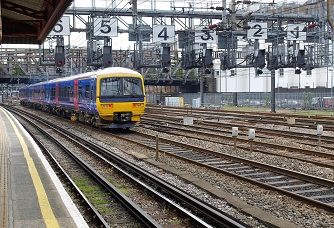
India’s push toward cleaner mobility has brought hydrogen trains into the spotlight as a futuristic, zero-emission alternative to diesel locomotives.
This is marked as a breakthrough in green transport, these trains run on hydrogen fuel cells that emit only water vapor.
But beneath the promise of sustainability lies a tougher question, can hydrogen trains make economic sense for a railway network as vast and cost-sensitive as India’s.
Hydrogen-powered trains offer a pathway to decarbonize routes that are difficult to electrify, particularly in remote or low-density regions.
Globally, several countries have begun experimenting with such systems as part of their climate commitments. For India, which has set ambitious net-zero goals, the technology fits well into the broader narrative of the green transition.
The biggest hurdle for hydrogen trains is economic viability. Producing green hydrogen is an expensive process that depends on renewable energy. This alone makes it significantly costlier than traditional fuels or electricity.
Beyond production, the costs extend across the value chain:
These factors raise serious concerns about whether hydrogen can compete in a price-sensitive system like Indian Railways, where efficiency and cost control are critical.
Also Read: From Compliance to Value: Rethinking ESG in FMCG Operations
India’s railway network is already undergoing rapid electrification, offering a strong alternative to hydrogen. Electrification is not only proven but also scalable and relatively economical compared to building an entirely new hydrogen ecosystem.
Key advantages of electrification include:
In contrast, hydrogen trains may struggle to match this level of readiness. Scaling them across India’s vast rail network would require synchronized development of production, storage, and distribution systems.
Experts suggest that hydrogen trains may find use in niche scenarios, such as remote or low-traffic routes where electrification is not feasible. In such cases, they could serve as a complementary solution rather than a primary one.
Hydrogen trains represent a forward-looking investment in clean technology and could become more viable as costs decline and infrastructure evolves. They also signal India’s willingness to explore multiple pathways toward decarbonization.
Electrification currently offers a more practical and cost-effective route to reducing emissions in India’s railways. Hydrogen trains, while promising, may remain limited in scope until the economics improve.
.jpg "AR Enterprises: Building The Supply Networks Behind India's Construction Growth")
.jpg "Industrial Packers: Engineering Industrial Packaging for India's Manufacturing Future")





We use cookies to ensure you get the best experience on our website. Read more...