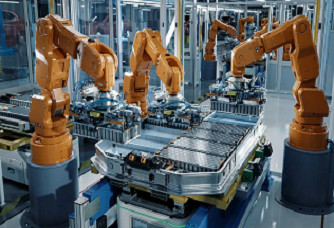
Four lakh crore storage capex can supercharge battery manufacturing and reshape India’s energy ecosystem by FY32.
CareEdge Ratings estimates that the country needs over Rs 4 lakh crore of storage-related investment to expand capacity from around 54 GWh today to 411 GWh.
This massive requirement arises as renewable generation rises and the power system shifts from adding capacity to integrating variable supply.
Battery Energy Storage Systems and Pumped Storage Plants stand ready to absorb this capital and build domestic manufacturing scale.
The sharp jump in standalone storage tenders already signals firm demand that can de-risk new factories and component lines.
India’s power sector moves from a generation-addition challenge to an integration challenge. Non-fossil sources already account for around 50 per cent of installed capacity yet contribute only about 29 per cent of actual electricity generation.
This gap makes energy storage essential. CareEdge Ratings projects storage needs will climb to around 411 GWh by FY32, compared with operational capacity of about 54 GWh as of June 2026.
The agency states that storage-related capital expenditure will exceed Rs 4 lakh crore to meet these FY32 requirements. Such scale opens a clear path for manufacturers to produce Battery Energy Storage Systems, including cells, modules, packs and supporting electronics, while Pumped Storage Plants drive civil and electro-mechanical equipment demand.
Also Read: How BESS Can Accelerate India’s Clean Energy Shift
Standalone storage-based tenders provide early proof of demand. These tenders rise from around 7 GW in FY25 to 21 GW in FY26. The threefold increase demonstrates that developers and utilities actively procure storage capacity. This pipeline can give manufacturers the volume visibility they need to commit capital under Make in India initiatives.
Key demand signals include:
CareEdge Ratings highlights the complementary roles of Battery Energy Storage Systems and Pumped Storage Plants. Both technologies will support the integration of rising renewable generation.
Battery systems offer rapid response and modular deployment, while pumped storage delivers long-duration flexibility through civil works and electro-mechanical equipment. Together they create parallel manufacturing streams that can absorb the projected capital outlay.
The same renewable transition drives heavy investment in transmission. CareEdge estimates a transmission capex outlay of around Rs 5.19 lakh crore during FY27-FY31.
Right-of-way issues, forest clearances and coordination challenges remain, yet the stable cash-flow profile of operational transmission assets continues to support the sector. Coal-based thermal power also retains relevance for flexibility and demand growth, ensuring the overall system investment remains balanced.
The Rs 4 lakh crore storage requirements by FY32 present a concrete manufacturing opportunity. Rising tenders already confirm demand. Battery Energy Storage Systems and Pumped Storage Plants can convert this capital into domestic production capacity, technology localization and supply-chain depth. India now possesses both the policy push and the volume signal to build a high-value storage manufacturing ecosystem that matches its renewable ambitions.

.jpg "AR Enterprises: Building The Supply Networks Behind India's Construction Growth")
.jpg "Industrial Packers: Engineering Industrial Packaging for India's Manufacturing Future")



We use cookies to ensure you get the best experience on our website. Read more...