 India's infrastructure sector is moving through a defining phase in 2026. Roads and expressways are becoming the backbone of economic growth. Faster connectivity is helping industries, businesses, and consumers across the country.
The growth of the National Expressway network is one of the biggest developments in this journey. Several major Highway Projects are nearing completion this year. These projects are creating faster travel routes and stronger economic corridors.
The impact of these Highway Projects in India goes beyond transportation. They are reducing logistics costs and improving access to markets. They are also helping industries expand into new regions.
From the Delhi–Mumbai Expressway to the Ganga Expressway, large projects are changing how goods and people move. Many of these corridors are expected to support industrial growth for decades.
India's national highway network has already crossed 146,000 kilometers. Under the Bharatmala program, thousands of kilometers of roads have been developed. The focus is now shifting toward access-controlled expressways and economic corridors.
|
Infrastructure Indicator |
Status |
|
National Highway Network |
146,000+ km |
|
Bharatmala Phase-I Target |
34,800 km |
|
Bharatmala Roads Completed |
22,000+ km |
|
NHAI Managed Network |
60,000+ km |
|
Share of Traffic on National Highways |
Around 40% |
India is witnessing one of the largest road-building programs in the world. Several major expressways are moving into advanced stages. Together, they are creating a modern transportation network.
These projects are reducing travel time between cities. They are also connecting industrial clusters, logistics hubs, ports, and airports. Their impact will be visible across multiple sectors.
India's expressway development strategy has evolved significantly over the past decade. Earlier highway projects mainly focused on improving connectivity between cities. Today's projects are designed to support economic growth, industrial development, and logistics efficiency.
Also Read: Connecting India: India National Highway and Expressway Projects 2026
The government and infrastructure agencies are increasingly focusing on access-controlled corridors. These roads allow vehicles to move at higher speeds with fewer interruptions. As a result, travel becomes safer, faster, and more predictable.
The rise of e-commerce, manufacturing, and organized logistics has also increased the need for better transportation infrastructure. Companies now expect faster delivery timelines and efficient freight movement. Modern expressways help meet these expectations by reducing congestion and improving route efficiency.
Another important change is the development of economic corridors. Many new expressways are planned around industrial clusters, logistics parks, airports, and ports. This approach ensures that infrastructure investments generate wider economic benefits.
"The changes this year and next year will be so significant that earlier I used to say our highway road network would match that of the US, but now I say that within two years, our highway network will be even better than the US," says Nitin Gadkari, Union Minister for Road Transport and Highways.
According to NHAI data, India's highway network continues to expand rapidly to support rising traffic volumes and growing freight demand. Improved road infrastructure is expected to play a major role in reducing logistics costs and strengthening supply chains across sectors.
As India moves toward becoming a larger manufacturing and export-driven economy, expressways will become even more important. They will not only connect cities but also create new opportunities for businesses, investors, and regional economies.
Against this backdrop, several major expressway projects are driving India's infrastructure transformation in 2026.
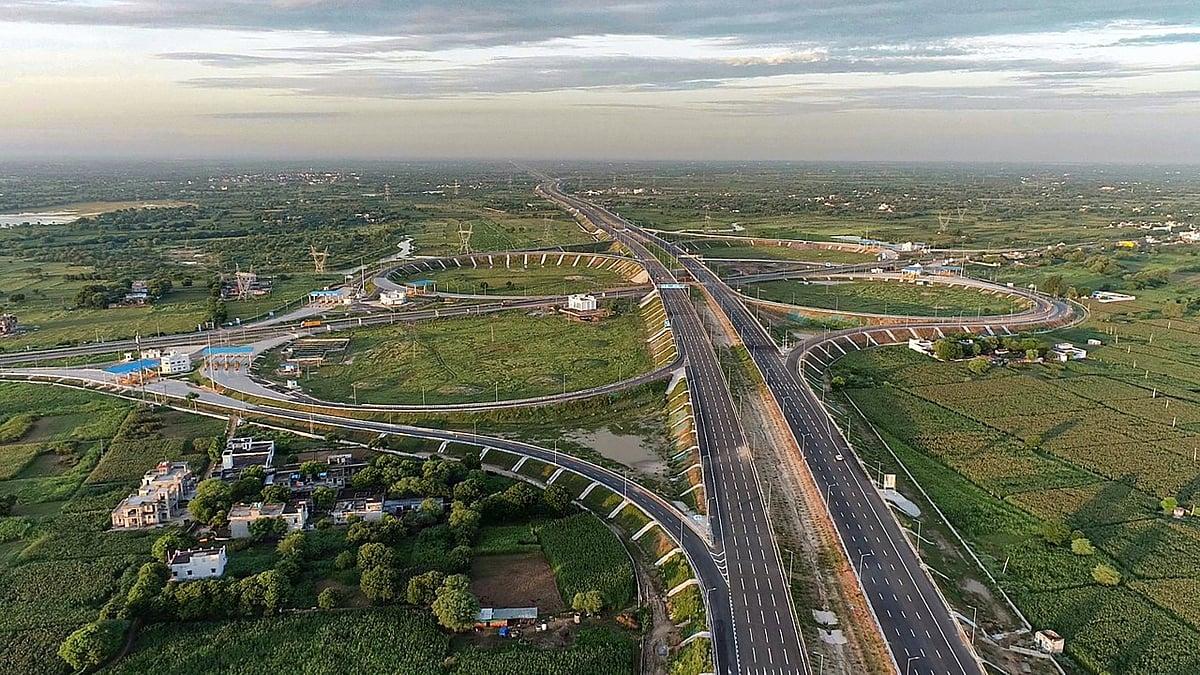 Delhi–Mumbai Expressway
The Delhi–Mumbai Expressway remains the largest and most talked-about expressway project in India. Stretching approximately 1,386 kilometers, it connects Delhi and Mumbai through Haryana, Rajasthan, Madhya Pradesh, Gujarat, and Maharashtra.
Once fully operational, travel time between the two cities is expected to reduce from nearly 24 hours to about 12 hours. The corridor is designed to improve freight movement and support industrial growth across multiple states. The expressway also strengthens connectivity between manufacturing hubs, logistics parks, and export centers.
The Ganga Expressway is one of Uttar Pradesh's biggest infrastructure projects. The corridor stretches approximately 594 kilometers. It connects Meerut with Prayagraj.
The project will improve connectivity across the state. Businesses will benefit from lower transportation costs. Farmers and traders will gain easier access to markets.
The corridor is also expected to attract warehousing and industrial investments. Many experts see it as a growth engine for Uttar Pradesh.
The Amritsar–Jamnagar Expressway is designed to strengthen freight connectivity. The corridor links northern India with western ports. It passes through several industrial and agricultural regions.
The project will support exports and reduce logistics costs. Industries such as textiles, chemicals, and manufacturing are expected to benefit. The corridor will also improve connectivity to major economic centers.
"The forthcoming Union Budget 2026-27 has to serve the dual role of stabiliser and growth enabler, and promoting investments will be one of the most critical components in this regard," said Chandrajit Banerjee, Director General, Confederation of Indian Industry (CII).
The Chennai–Bengaluru Expressway will connect two important economic centers. Both cities play a major role in manufacturing and technology. Faster connectivity will strengthen business activity.
The corridor will benefit automotive and electronics industries. It will also improve cargo movement between industrial zones. Reduced travel time will support regional growth.
The Delhi–Dehradun Expressway is expected to transform regional connectivity. The project will significantly reduce travel time. It will improve access between Delhi and Uttarakhand.
Tourism is expected to benefit from the corridor. Businesses in hospitality and logistics may also gain. The project includes modern environmental features and wildlife crossings.
The Samruddhi Mahamarg is already changing transportation in Maharashtra. The expressway connects Mumbai and Nagpur through a high-speed corridor.
The project has improved travel efficiency across the state. It has also attracted investments in logistics and warehousing. Several new business opportunities have emerged along the route.
|
Project |
Length (km) |
Status in 2026 |
|
Delhi–Mumbai Expressway |
1,386 |
Near Completion |
|
Ganga Expressway |
594 |
Under Construction |
|
Amritsar–Jamnagar Expressway |
1,257 |
Ongoing |
|
Chennai–Bengaluru Expressway |
262 |
Progressing |
|
Delhi–Dehradun Expressway |
210 |
Advanced Stage |
|
Samruddhi Mahamarg |
701 |
Operational |
The Delhi–Mumbai Expressway is one of the most ambitious infrastructure projects in India. It is designed to improve connectivity between two of the country's most important cities.
The project passes through Haryana, Rajasthan, Madhya Pradesh, Gujarat, and Maharashtra. This alignment allows it to connect several industrial and logistics centers. It also creates new opportunities for regional development.
Construction began in phases to accelerate execution. Several sections have already opened to traffic. The remaining stretches are progressing toward full completion.
Also Read: Flex-Fuel Guidebook: Accelerating the Ethanol Mobility Revolution
One of the biggest benefits of the corridor is reduced travel time. Faster transportation means lower fuel consumption and lower operating costs. This is especially important for logistics companies.
Manufacturers are expected to benefit significantly from the project. Faster movement of raw materials and finished goods improves efficiency. It also strengthens supply chains.
The corridor is attracting investments in logistics parks and warehousing facilities. New industrial zones are also emerging along the route. Businesses increasingly see the expressway as a growth corridor.
According to Vinayak Chatterjee, Founder and Managing Trustee of The Infravision Foundation: "Infrastructure is the foundation upon which economic growth is built."
The statement reflects the broader impact of the project. The expressway is creating economic opportunities beyond transportation. It is helping industries expand and invest.
|
Metric |
Before |
After Completion |
|
Travel Time |
~24 Hours |
~12 Hours |
|
Freight Efficiency |
Moderate |
High |
|
Fuel Consumption |
Higher |
Lower |
|
Industrial Connectivity |
Moderate |
Strong |
|
Logistics Efficiency |
Limited |
Improved |
The long-term impact of the project will likely extend across industries. Manufacturing, logistics, warehousing, and real estate may all benefit. The corridor could become one of India's most important economic routes.
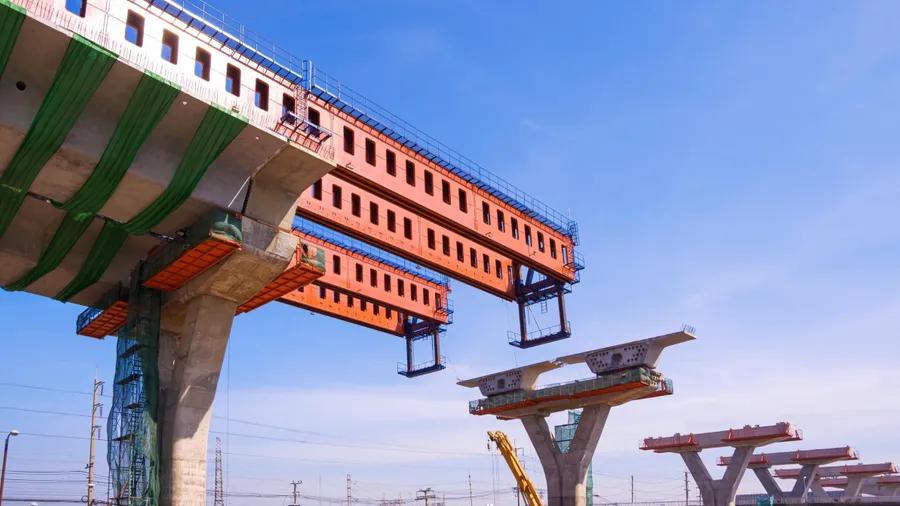 India is using two major approaches to develop road infrastructure. These are greenfield expressways and brownfield highway projects.
A greenfield project is built on a completely new route. Engineers can design the corridor from the ground up. This allows better alignment and higher travel speeds.
A brownfield project upgrades an existing road. The existing route is widened or improved. This approach usually requires less land acquisition.
The Delhi–Mumbai Expressway is a strong example of a greenfield project. The corridor follows a new alignment across multiple states. This allows better design flexibility and future expansion.
Many national highway upgrades follow the brownfield model. Existing roads are converted into wider and safer corridors. This approach remains important in densely populated regions.
|
Factor |
Greenfield Expressway |
Brownfield Highway |
|
Route |
New Alignment |
Existing Alignment |
|
Speed Potential |
Higher |
Moderate |
|
Land Requirement |
High |
Lower |
|
Construction Cost |
Higher |
Lower |
|
Expansion Potential |
Better |
Limited |
|
Travel Efficiency |
Higher |
Moderate |
The choice between greenfield and brownfield development depends on several factors. These include traffic demand, land availability, project cost, and regional development goals.
Greenfield projects often create entirely new economic corridors. They can connect regions that previously lacked high-quality infrastructure. However, they require more planning and larger investments. In the meanwhile, brownfield projects are often preferred in urban and densely populated regions. Upgrading existing highways can improve connectivity without building entirely new routes.
India's infrastructure strategy increasingly combines both approaches. This allows policymakers to balance cost efficiency with long-term transportation needs.
Greenfield projects often deliver better long-term benefits. They provide faster movement and improved road safety. However, they require larger investments. In the case of Brownfield projects, they remain valuable for improving existing networks. They can often be completed faster and at lower costs. Both models play an important role in India's infrastructure strategy.
As freight demand continues to grow, planners are increasingly using a mix of both approaches. This helps balance cost, speed, and connectivity needs.
Sahil Barua, Co-Founder & CEO, Delhivery says, "The future of logistics lies in integration — of modes, markets, and minds. The strongest logistics asset is not just infrastructure, but informed professionals."
India's road infrastructure story is no longer limited to transportation. Modern expressways are becoming drivers of economic growth. They are connecting industries, cities, and markets more efficiently.
Projects such as the Delhi–Mumbai Expressway, Ganga Expressway, and Samruddhi Mahamarg are setting new benchmarks. They demonstrate how infrastructure can support regional development and investment.
As more corridors become operational, businesses will benefit from stronger connectivity. Logistics costs may fall further in the coming years. Manufacturing and trade are also expected to gain.
The expansion of the National Expressway network represents a major step in India's growth journey. These projects are helping build a faster, more connected, and economically stronger nation.
India's highway development story is entering a new chapter. The focus is no longer limited to building roads between cities. Modern expressways are being planned as economic corridors that connect industries, logistics hubs, ports, airports, and emerging urban centers. Projects such as the Delhi–Mumbai Expressway, Ganga Expressway, and Chennai–Bengaluru Expressway highlight this shift in strategy.
While construction progress remains important, the larger impact lies in improved connectivity, lower logistics costs, and stronger regional development. As more corridors become operational, these investments are expected to play a vital role in supporting India's manufacturing ambitions, supply chain efficiency, and long-term economic growth.






We use cookies to ensure you get the best experience on our website. Read more...