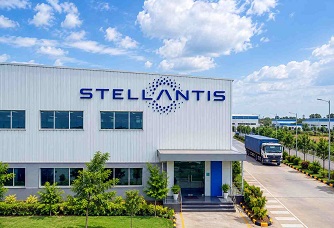
Stellantis localization in India is set to become a key focus of the automaker’s manufacturing strategy as the company commits Rs 4,000 crore to expand its operations.
Announced under its FaSTLAne 2030 roadmap, the investment is intended to support new vehicle launches, deepen local sourcing and strengthen India’s role in the company’s global operations.
For Indian automotive component manufacturers, the proposed expansion presents a potential opportunity to participate in a broader production and sourcing network.
The scale of the opportunity will depend on the components required, supplier qualification and whether local sourcing pays off.
The company aims to increase localization levels across its Jeep and Citroen portfolios to approximately 90 percent, subject to commercial and technical feasibility.
Stellantis India CEO and Managing Director Shailesh Hazela said the additional investment would support the 12-product roadmap and efforts to bring localization levels closer to the target.
The starting points differ between the two brands:
Also Read: How India's Tyre Industry Is Responding to a Changing Mobility Market
Higher localization can create opportunities for domestic manufacturers capable of meeting the automaker’s cost, quality, technical and delivery standards.
Potential areas of interest include:
Stellantis operates manufacturing facilities in Ranjangaon, Maharashtra, and Thiruvallur and Hosur, Tamil Nadu. Its Indian operations also include engineering and technology capabilities that support product development and global business functions.
The company has previously positioned India as a sourcing and export base; 95 percent of the engines and gearboxes produced at its Hosur facility are exported.
Deeper Stellantis localization in India could therefore have implications beyond domestic vehicle production.
If local sourcing becomes more competitive and supplier capabilities meet global requirements, Indian manufacturers could potentially support a wider range of international programs.
Suppliers will need to assess Stellantis’ technical requirements, qualification timelines, production volumes and commercial terms before investing in additional capacity.
The rollout of 12 products, comprising seven new models and five major upgrades, could also create different requirements across vehicle programs.
For the manufacturing ecosystem, the key development to watch will be how the investment translates into actual sourcing decisions, supplier partnerships and production requirements.
These milestones will help establish whether Stellantis localization in India leads to sustained opportunities for domestic component manufacturers and strengthens the country’s position within global automotive supply chains.

.jpg "Industrial Manufacturing")





We use cookies to ensure you get the best experience on our website. Read more...