Chemical processing plants face a constant challenge—how to safely transfer hazardous, corrosive, and toxic fluids without risking worker safety, environmental damage, or costly downtime. Traditional pump systems with mechanical seals have served the industry for decades, but they come with significant risks. That is why more and more chemical manufacturers are making the smart switch to sealless pump solutions.
Understanding the Problem with Traditional Pumps
In any chemical processing facility, safety is not just a priority—it is a survival requirement. Traditional pumps rely on mechanical seals to prevent leakage. These seals work by creating a thin film between rotating and stationary parts. While effective in many applications, they face a major challenge: they eventually wear out and fail.
When seals fail, you don't just lose product. You risk exposing workers to dangerous chemicals, damaging the environment, and facing heavy regulatory penalties. According to industry data, seal failures account for nearly 80% of pump-related incidents in chemical plants. For facilities handling highly corrosive fluids, this risk multiplies significantly.
Beyond safety, traditional pumps require constant maintenance. Replacing worn seals, monitoring fluid levels, and managing seal leakage all add up to high operational costs that plant managers wish they could avoid.
What Makes Sealless Pumps Different?
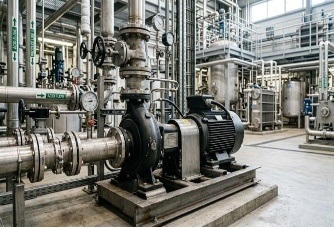
Sealless pumps, particularly magnetic coupling technology, completely eliminate the mechanical seal problem. Instead of relying on traditional seals, these pumps use magnetic forces to transfer power from the motor to the impeller. This design removes the weak point that causes most leakage problems.
The beauty of this approach is simple: no seal means no seal failure. No seal failure means zero product leakage, making the process much safer for your workforce and surrounding environment.
When you use an industrial chemical transfer pump with sealless technology, you gain several important advantages:
Sealless Technology in Real-World Chemical Applications
Chemical plants handling everything from highly corrosive bromine solutions to aggressive specialty chemicals benefit greatly from this technology. Consider a pharmaceutical facility producing active ingredients. These companies cannot afford even tiny amounts of product loss or worker exposure to toxic materials. A sealless magnetic chemical pump removes these risks entirely.
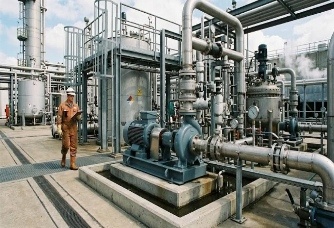
Similarly, in the chlor-alkali industry—where caustic chemicals are the daily reality—sealless pumps are becoming the standard choice. These applications demand absolute reliability because even small leaks can cause serious problems.
Mining operations, petrochemical plants, and dye manufacturers also rely on sealless pump systems to handle their most demanding fluid transfer needs safely and efficiently.
The Cost Benefit That Makes Sense
Initially, sealless pumps may appear more expensive than traditional pumps. However, when you calculate total cost of ownership, the numbers tell a different story.
Consider what you save with sealless technology:
Most chemical facilities recover their investment within 2-3 years through these savings alone.
Advanced Materials Meet Modern Needs
Modern sealless pumps often use non-metallic materials like PVDF and PFA, making them ideal for handling corrosive chemicals. These materials resist attack from aggressive fluids that would damage traditional steel pump components in weeks. This combination of sealless design plus advanced materials creates an extremely durable solution for the toughest applications.
The Future of Chemical Processing
As chemical manufacturing becomes increasingly regulated and safety-conscious, the shift toward sealless pump technology is accelerating. Plant managers understand that investing in better equipment today prevents expensive problems tomorrow.

Whether you are designing a new facility or upgrading existing equipment, choosing sealless pump technology is choosing reliability, safety, and long-term value.
Making the Switch
If your chemical processing plant still depends on traditional pumps with mechanical seals, now is the time to evaluate sealless alternatives. Talk with equipment specialists who understand your specific chemical challenges. They can help you identify which applications would benefit most from upgrading to sealless technology.
The chemical industry has learned hard lessons about leakage and safety. Modern sealless pump solutions represent the next generation of responsible, efficient chemical processing equipment. Your workers, your environment, and your bottom line will all thank you for making this smart investment.







We use cookies to ensure you get the best experience on our website. Read more...