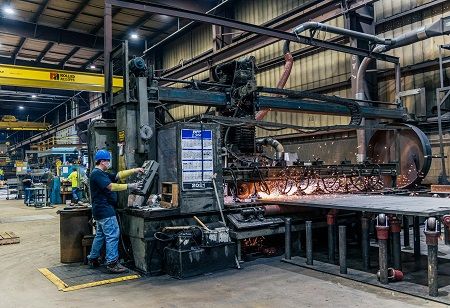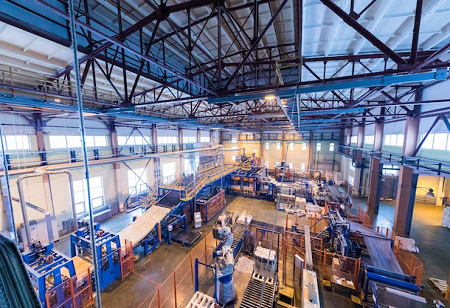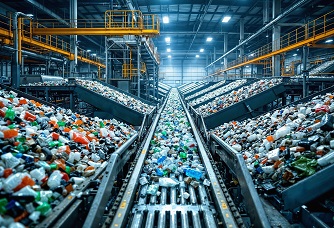
The waste-to-energy Pune’s Ramtekdi Plant is set to start generating electricity by the end of June. This announcement by civic officials arrives nearly eight years after the project was first planned.
Head of the solid waste management department, the Pune Municipal Corporation (PMC), Santosh Warule said, “The process of fund generation to start electricity production is under way now. It is expected to be completed soon.” Officials have also expressed hope of securing Central financial assistance to push the project across the finish line.
Pune’s Ramtekdi Plant, which was designed to handle 350 tonnes of waste per day, had its deadline set for December 2025 before being extended by four months. Former head of PMC’s solid waste management, Sandip Kadam, in June 2025, said that most civil works for the plant is complete and that they were hoping to generate electricity from April 2026, a target that has slipped further.
Nilesh Nikam, leader of the opposition in PMC, said, “There were big claims about generating power made by the administration. But it all just remained on paper, leading to a waste of public funds. Neither the purpose of generating electricity nor the disposal of trash is served. The project should start at the earliest. Even other plants operating at low capacity now should be improved.”
Also Read: Decentralized Waste Management: India's Missing Link to Sustainability
The urgency of this project is hard to overstate. As of 2025, Pune generates 2,300 metric tonnes of garbage every day, with over 350 vehicles deployed entirely for waste collection and transport. This data is critical, because it shows that even a fully operational Ramtekdi plant would only address a fraction of the city’s waste.
In 2017, PMC had a plan to build a garbage depot in Ramtekdi, following the National Green Tribunal’s (NGT) nod. But this faced protest from the Ramtekdi Industries Association, which staged a Rasta Roko protest rally near Pune Railway Station.
PMC intended to route 750 metric tonnes of waste daily into a facility on a 16-acre plot, of which three acres housed around 400 families. After the protest, the civic body shifted the project from plot number 104/87 to plot number 88, reducing the area to 10 acres.
The association members were still unconvinced and warned that garbage smell, air pollution, and disease would make life unbearable, and that the corporation should not expose residents to such dangers.
More than a decade ago, the civic body announced that it was considering two waste-to-energy plants at Uruli Devachi, one with 500 tonnes of capacity and another with 250 tonnes. Both were eventually scrapped following strong local opposition. PMC then declared Ramtekdi its definitive answer to Pune's waste crisis.
That declaration has now aged poorly. The Central financial assistance PMC hopes to receive is contingent on successful commissioning, covering biogas, bio-CNG, syngas, and direct power generation. This means that the funds will only arrive after the plant actually starts working.
For a city drowning in 2,300 metric tonnes of daily garbage, with residents watching waste pile up on street corners while deadlines quietly shift, the Ramtekdi plant is no longer just an infrastructure project; it is a test of whether PMC can match its words with action.







We use cookies to ensure you get the best experience on our website. Read more...