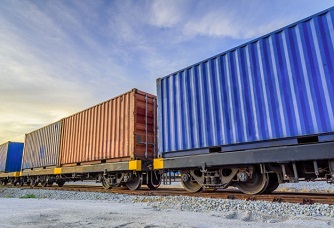
Indian Railways is planning major reforms in container transport to attract more export cargo and improve freight operations. The proposed changes aim to reduce compliance requirements, improve turnaround times, and make rail freight more competitive for exporters.
According to an Economic Times report published on October 25, 2026, the national transporter is considering several measures. These include relaxing container weighing rules, introducing shorter freight trains, revising tariff benefits, and allowing private companies to maintain container wagons.
The changes could make rail-based cargo movement more flexible and cost-effective. They also aim to address operational challenges that can discourage exporters from choosing railways for containerized shipments.
One of the key changes involves exempting eligible containerized export cargo from mandatory 100 percent weighment by Indian Railways. A senior railway official told that random checks would continue on 5 percent of rakes.
Currently, containers are weighed at depots before their rail journey and again at ports. The additional railway weighment creates another compliance requirement for operators.
Under the proposed relaxation, container operators will need to submit a copy of the Verified Gross Mass (VGM), following guidelines issued by the Directorate General of Shipping. The Railway Board's official website also lists the exemption from mandatory 100 percent weighment for containerized export traffic.
Another major step is the planned introduction of mini container rakes. These shorter trains are intended to serve shipments that may not require a full-length rake.
These changes could give freight operators more flexibility when planning shipments and help them match train capacity with cargo requirements.
Also Read: India's Rubber Industry: Supply, Costs & Growth Outlook to 2027
Indian Railways is also considering proposals to allow private companies to maintain flatbed wagons used for container movement. The proposal could create new opportunities for public-private partnerships (PPPs).
Industry estimates suggest that around 20 percent of all wagons are in maintenance depots at any given time. Indian Railways charges approximately 5 percent of the total freight tariff value for maintaining container wagons.
Container train operators have asked for permission to maintain wagons themselves. They are also seeking freight discounts in return for taking on maintenance responsibilities. Discussions on the financial terms are underway, according to railway officials.
The Railways also plans to expand the number of routes served by hub-and-spoke terminals. Under this model, operators can collect containers from multiple locations, consolidate them at a hub, and move them over longer distances.
This approach could help operators retain the benefits of long-distance freight rates instead of paying higher short-distance charges when cargo is rebooked at hub locations.
The main proposed changes are:
Together, these measures signal an effort to make container transport more efficient and attractive to exporters. Their impact will depend on how the proposals are implemented and whether they improve costs, turnaround times, and service flexibility for freight operators.







We use cookies to ensure you get the best experience on our website. Read more...