Coking coal is a critical raw material for India’s steel manufacturing industry, making domestic production and processing capacity important to the country’s industrial supply chain.
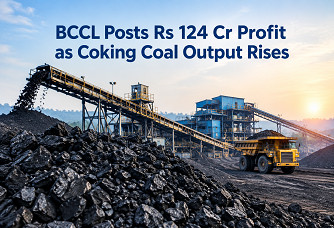
Bharat Coking Coal Limited (BCCL) returned to profitability in the second quarter of FY27, reporting a net profit of Rs 123.74 crore against a loss of Rs 52.99 crore in the corresponding period last year.
Revenue from operations rose 39.1 percent to Rs 4,412.58 crore, while raw coal production increased 7.6 percent to 7.22 million tons.
The results raise a broader question: can stronger domestic coal production and improved washing infrastructure help address steelmakers’ raw-material constraints?
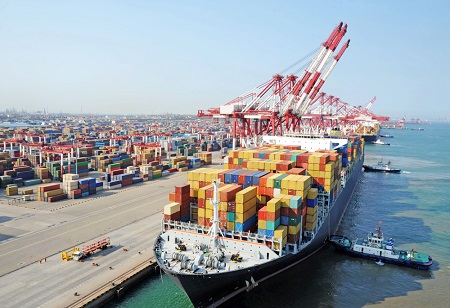
The financial recovery at BCCL comes against the backdrop of India's continued dependence on imported coking coal. The country imported 66.33 million tons in FY26, while domestic washed coking coal production stood at 5.93 million tons, according to government data.
This gap highlights the challenge of aligning domestic supply with the requirements of the Indian steel industry. Much of India's indigenous coking coal has relatively high ash content, which limits its suitability for steelmaking without processing.
Steel producers therefore blend domestic material with imported grades to achieve the properties required for coke production and blast-furnace operations.
Imported material exposes steelmakers to international price movements, freight costs and supply disruptions. Higher domestic availability could provide greater sourcing flexibility, but it does not automatically translate into lower steel manufacturing costs.
BCCL's production growth is therefore relevant to the wider steel industry, although its quarterly results alone do not establish whether domestic coal has become cheaper or whether steelmakers have reduced their import dependence.
Expanding coal washing capacity in India is one route to improving the suitability of domestic coking coal for industrial use. Coal beneficiation separates impurities from raw material, reducing ash content and helping produce coal that can be used in steelmaking blends.
The Parliamentary Standing Committee on Coal, Mines and Steel examined this issue in its July 2026 report on infrastructure development to augment washed-coal production.
For BCCL, washery development and utilization are important alongside mining output. Higher raw coal production creates greater potential supply, but the amount of usable washed coking coal also depends on processing capacity, yields and operational performance.
Coal processing infrastructure could also support demand for coal washery equipment, screening and separation systems, conveyors, dewatering machinery and other industrial handling solutions.
A more dependable domestic supply of suitable coal could help manufacturers diversify sourcing, manage exposure to imported raw materials and strengthen long-term supply planning.
Nevertheless, coal import substitution depends on more than increasing mine output. Producers must deliver consistent quality, expand washing capacity and ensure that processed material reaches steel plants reliably.
BCCL's return to profit provides a useful indicator of its quarterly financial performance, but sustained progress will require monitoring production trends, washery utilization, washed-coal output and delivery reliability.
For India's steel manufacturers, the longer-term significance of BCCL's recovery will depend on whether domestic production and processing improvements translate into a larger, dependable supply of suitable coking coal.







We use cookies to ensure you get the best experience on our website. Read more...