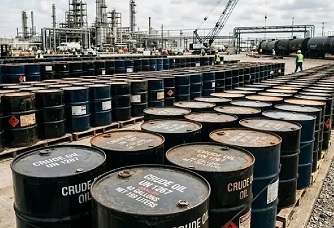
India’s crude oil supply safety margin is coming under pressure as the ongoing West Asia conflict begins to affect global energy supply chains. With tensions continuing in the region, concerns are rising over possible disruptions to oil shipments, especially for countries like India that rely heavily on oil imports to meet domestic demand.
India imports nearly 90 percent of its crude oil needs, making it highly sensitive to global supply changes. While the country has strategic reserves and diversified sourcing options, experts believe that prolonged instability in West Asia could create challenges for both fuel supply availability and pricing.
Initially, the impact of the conflict was felt more strongly in natural gas and LPG markets. However, oil traders and refiners now say the pressure is gradually spreading into the crude oil segment as shipping delays and logistical issues increase. This has forced refiners to depend more on stored inventories to maintain production levels.
Also Read: West Asia Crisis Disrupts India's Beverage Industry Supply
One of the key concerns is the disruption around the Strait of Hormuz, a major global shipping route for crude oil. A significant share of the world’s oil passes through this narrow waterway, and any interruption can affect global oil market supply across international markets. Delays in shipments have already created uncertainty among importers and energy companies.
Global agencies that earlier predicted stable oil supplies are now revising their outlook. Analysts suggest that reduced refinery activity, shipping constraints, and geopolitical tensions are tightening the market faster than expected. As a result, oil prices could remain volatile in the coming months.
Asian refiners have started adjusting procurement strategies by sourcing crude from alternative markets such as the United States, Africa, and Russia. However, these alternatives may not fully replace supplies from West Asia if tensions continue to escalate.
For India, the impact goes beyond fuel availability. Higher crude prices can increase import costs, contribute to inflation, and affect industries dependent on energy-intensive operations. Economists believe the next few weeks will be critical in determining whether global inventories can absorb the disruption or if a wider energy supply crunch emerges.







We use cookies to ensure you get the best experience on our website. Read more...