India’s beverage industry is facing fresh pressure as the ongoing West Asia crisis begins to disrupt packaging supplies at a critical time.
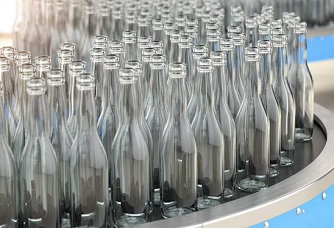
With summer demand rising sharply, companies are struggling to keep up due to shortages in essential materials like glass bottles, aluminum cans, and plastic packaging.
The crisis has impacted key raw materials such as natural gas and aluminum, both heavily linked to West Asia.
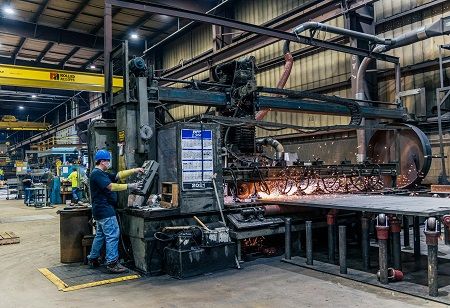
Higher energy costs and supply disruptions have slowed production across packaging units. Glass manufacturers, which rely on continuous high-temperature operations, were among the worst hit, with output dropping significantly before seeing partial recovery.
Also Read: Why Composite Infrastructure Is Replacing Steel in Modern Projects
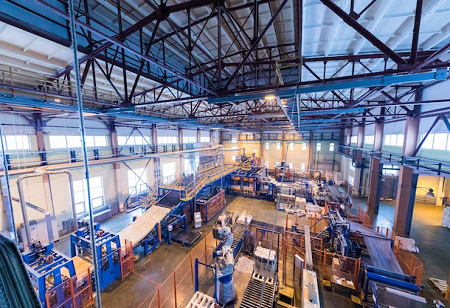
Despite strong consumer demand, the beverage industry is now dealing with a mismatch between production capacity and packaging availability. Even when drinks are ready, companies are unable to package them at the required scale, leading to supply constraints in the market.
Shipping disruptions and rising input costs have added to the pressure. Aluminum cans remain in short supply, while plastic packaging has become more expensive due to increased petrochemical prices. This has forced beverage companies to absorb some of the rising costs, though partial price hikes—estimated around 10 to 12 percent—are already being seen.
Industry players are trying to maintain supply during peak season, but margins are tightening. The situation is especially challenging because plants cannot be shut down without risking long-term damage, forcing companies to operate under strained conditions.
For consumers, this could translate into higher prices and limited availability of certain packaged drinks in the coming weeks. The current situation highlights how global conflicts can directly impact everyday products, putting pressure on industries and consumers alike at home.






We use cookies to ensure you get the best experience on our website. Read more...