India has approved a major ₹504 crore EV charger expansion under the PM E-Drive scheme, clearing the installation of 4,874 public EV charging stations across the country to strengthen electric vehicle infrastructure and support the growing shift toward clean mobility in India.
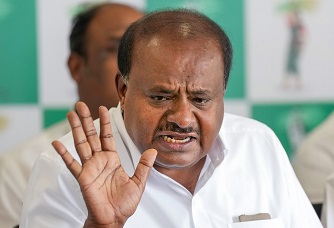
The initiative, announced by Union Heavy Industries and Steel Minister H. D. Kumaraswamy at a national conference in Bengaluru, is expected to improve charging access in cities, highways, and key transport corridors.
The approved projects include proposals from central public sector oil companies such as HPCL, IOCL, and BPCL, along with state governments including Karnataka, Tamil Nadu, Telangana, Gujarat, Andhra Pradesh, Rajasthan, Kerala, and Uttar Pradesh. Karnataka emerged as one of the biggest beneficiaries, receiving approval for 1,243 chargers with an allocation of ₹123.26 crore.
The rollout is part of the larger PM E-Drive programme, which has a total budget of ₹10,900 crore aimed at accelerating electric mobility in India. Out of this, ₹2,000 crore has been earmarked specifically for public charging infrastructure. The scheme also includes incentives for electric two-wheelers and three-wheelers, along with funding support for more than 14,000 electric buses.
Speaking at the event, Kumaraswamy highlighted the importance of charging infrastructure in driving EV adoption in India. “The future is electric,” the minister said while stressing the government’s commitment to building a strong and accessible charging network nationwide.
Also Read: India Plans 500 Delegations to Boost FTA Use and Exports
India’s EV charging network has expanded steadily in recent years, but infrastructure gaps still remain in several regions. Government data shows that more than 27,000 EV chargers have been installed across the country over the past five years, though not all are currently operational. Through the PM E-Drive initiative, the Centre plans to support the installation of over 72,000 chargers in the coming years to meet rising demand from electric vehicle users.
A key focus area under the latest approval is highway EV charging infrastructure. Officials believe better charger availability on national and state highways will play a crucial role in encouraging long-distance EV travel and supporting commercial electric vehicle fleets, particularly for buses and logistics operators. The government is supporting upstream infrastructure costs for highway charging stations, including power supply and grid connectivity, to make large-scale deployment easier.
Oil marketing companies are expected to play a major role in the rollout by installing chargers at fuel stations and transit points across major road networks. Under the earlier FAME-II programme, nearly 9,000 EV chargers had already been installed with government support, including more than 700 in Karnataka alone.
The Centre is also working on a digital platform called “Unified Bharat eCharge,” which aims to provide EV users with a single system to locate charging stations, access different charging networks, and make payments seamlessly. Kumaraswamy described the platform as a potential “game changer,” comparing its expected impact to India’s UPI revolution in digital payments.
The government believes that expanding India EV charging network will not only support cleaner transportation but also help reduce fuel imports, improve energy security, and strengthen the country’s EV manufacturing ecosystem and broader sustainable transportation goals.







We use cookies to ensure you get the best experience on our website. Read more...