India’s energy landscape is seeing major developments, with power infrastructure investments, cross-border electricity trade and evolving natural gas demand shaping the sector.
From BHEL’ s Rs 65 crore investment in its joint venture with NTPC to India’s approval of extended power exports to Nepal and the recent diplomatic negotiations between India and China over deepening energy engagement signals the country’s growing energy infrastructure and regional cooperation.
These latest developments highlight the importance of energy security, diplomacy and fulfilling industry demands in a sustainable manner. Here's a roundup of five key developments shaping the sector right now.
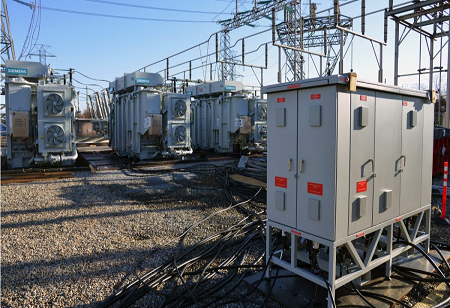
Bharat Heavy Electricals Limited (BHEL) has cleared a fresh equity infusion of Rs 65 crore into its joint venture, NTPC BHEL Power Projects Private Limited (NBPPL).
The investment, approved by BHEL’s board on September 14, 2026, will be made in one or more tranches. Key details include:
Also Read: Advancing India's Manufacturing Realm Toward Global Leadership
In a diplomatic gesture The Ministry of Power has approved exporting electricity to Nepal for 18 hours a day until December 31, 2026, after devastating floods crippled the country's hydropower capacity.
China National Petroleum Corporation (CNPC) Chairman Dai Houliang met Petroleum Minister Hardeep Singh Puri in New Delhi, days after PM Modi and President Xi Jinping held talks.
At the Gastech conference in Bangkok, industry executives said LNG imports in India and China could recover once the Middle East supply crunch eases.
The current supply disruption has placed pressure on the international liquefied natural gas market, affecting availability and prices. However, easing supply constraints could encourage buyers to return to the market.
A recovery in LNG demand would reflect the continuing role of natural gas in Asia’s energy consumption.
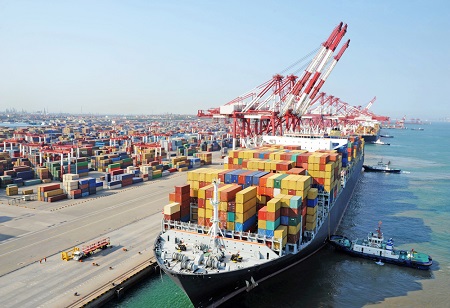
Despite costlier cargoes, India's natural gas imports continue climbing, driven by the fertilizer sector, CNG vehicle growth, and falling domestic production.
.jpg "Saksham Enterprises: Optimizing Mission- Critical HVAC Infrastructure For The High Precision Sector")

.jpg "JDS Group of Companies: Innovating Smart Solutions For Modern Power Transmission & Distribution Infrastructure")


We use cookies to ensure you get the best experience on our website. Read more...