Surat, known for its sarees and synthetic fabrics, is expanding into specialized defense fabrics. The shift reflects the city's changing textile industry and India's push to strengthen domestic manufacturing.
Companies are adding high-performance textiles to their traditional product lines, creating new opportunities for industrial growth. The Laxmipati Group is among the companies manufacturing and processing specialized fabrics for defense applications.
According to Amit Mittal of the group, fabrics that were once imported are now being produced in India. This shift is helping meet domestic demand while creating employment opportunities.
Mittal said the company currently caters to India's domestic consumption needs. It also plans to explore export opportunities in the future. He highlighted the role of government support in helping the sector develop and expand.
The move toward indigenous defense fabrics marks a shift in Surat's textile manufacturing capabilities. While the city has long been associated with sarees and synthetic materials, specialized textiles are creating new avenues for the industry.
Mittal said domestic production is helping reduce reliance on imported materials. He also pointed to the wider economic benefits of manufacturing these fabrics locally.
The development aligns with India's broader push for self-reliance in specialized textile production. Building domestic manufacturing capabilities can help meet industry requirements while supporting jobs and industrial activity.
Also Read: Nano GCCs in Automotive Engineering: Building Lean R&D for 2026
Sanjay Sarawagi, Managing Director of the Laxmipati Group, credited Gujarat's textile policy and business-friendly approach for supporting industrial expansion. He said government assistance and cooperation from the state administration help entrepreneurs advance their proposals and develop their businesses.
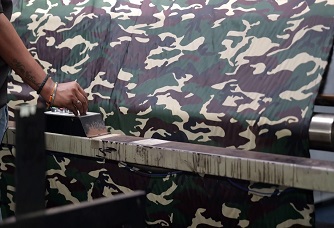
Manufacturing defense fabrics requires specialized processing to achieve the strength, quality, and performance needed for specific applications. At the Laxmipati Group facility, unfinished grey fabric passes through several stages, including chemical treatment and finishing.
Rahul, an employee at the facility, explained that chemical treatment helps improve the fabric's quality, finish, and strength. The processing methods vary according to the material and its intended use.
The facility produces a range of textiles, from conventional fabrics used in sarees and garments to specialized nylon materials developed for defense applications.
Naresh, another employee, said the unit works with materials such as georgette and chiffon for sarees. For defense applications, it uses nylon fabrics with specific strength characteristics, including high-tenacity properties.
These differences highlight the range of capabilities involved in textile manufacturing. Traditional garment fabrics serve different purposes from materials designed for demanding technical applications. The latter require processing suited to their intended use.
As Surat's textile industry expands into technical textiles, domestic production could create further opportunities for manufacturers. The Laxmipati Group's activities reflect this transition, combining established textile operations with specialized fabric processing.
With domestic demand being served and exports under consideration, defense fabrics could become an important part of the industry's next phase of growth.




We use cookies to ensure you get the best experience on our website. Read more...