Many businesses and consumers are asking if the new fuel rule will lead to increased prices of everyday goods after the government barred industrial and commercial users from buying petrol and diesel through retail fuel stations.
The move aims to ensure that fuel sold at petrol pumps remains available for regular consumers. However, it could also increase fuel costs for businesses that were relying on retail pumps for cheaper fuel supplies. As a result, concerns are growing about whether India's new fuel rule could eventually push up prices of everyday goods.
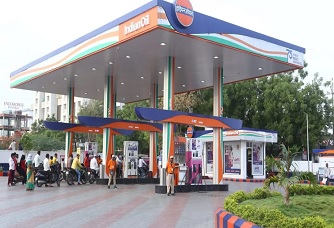
The government has directed industrial, commercial, and institutional consumers to purchase fuel only through authorized bulk supply channels. This means businesses can no longer buy large quantities of petrol or diesel from retail outlets. The decision comes after many bulk users shifted to petrol pumps because retail fuel prices had become cheaper than bulk fuel prices.
According to reports, the price gap between retail and bulk diesel had widened significantly in recent months. This encouraged industries, logistics operators, and other large consumers to source fuel from petrol pumps instead of bulk suppliers.
The government says the move is intended to protect fuel availability for ordinary consumers. Retail fuel stations are primarily meant to serve vehicle owners, farmers, and other individual users.
As more industrial consumers began purchasing fuel from petrol pumps, concerns emerged over rising demand at retail outlets. Authorities feared that continued bulk buying through retail channels could put pressure on fuel supplies and disrupt distribution.
Key reasons behind the decision include:
The government believes the new rule will help maintain a smoother fuel supply system across the country.
Also Read: Role of Industrial Gases in the Semiconductor & Electronics Ecosystem
Several sectors that consume large volumes of diesel and petrol may now face higher operating costs.
Industries likely to be impacted include:
Many of these businesses had shifted to retail fuel purchases because of lower prices. With that option no longer available, they may have to buy fuel through bulk channels at higher rates.
For companies that consume thousands of liters of fuel every month, even a small increase in fuel costs can significantly affect operating expenses.
The biggest concern is whether higher fuel costs for businesses will eventually be passed on to consumers.
Fuel is a major expense in transportation and logistics. When transportation costs rise, businesses often review product pricing to protect margins. This could affect the cost of moving goods from factories to warehouses and retail stores.
Products that could potentially see indirect cost pressure include:
However, experts note that fuel is only one component of the overall cost structure. Whether consumers actually see higher prices will depend on how companies respond.
Some businesses may absorb the additional expense, while others may pass part of the cost to customers. The final impact on inflation will likely vary across sectors.
For now, regular vehicle owners are unlikely to notice any direct change when buying fuel at petrol pumps. The rule is aimed specifically at industrial, commercial, and institutional buyers.
The government's decision highlights the challenge of balancing fuel availability for consumers while managing costs for businesses. While the move may strengthen retail fuel supplies, its long-term impact on logistics costs and everyday goods will be closely watched by both industry and consumers.

.jpg "AR Enterprises: Building The Supply Networks Behind India's Construction Growth")
.jpg "Industrial Packers: Engineering Industrial Packaging for India's Manufacturing Future")




We use cookies to ensure you get the best experience on our website. Read more...