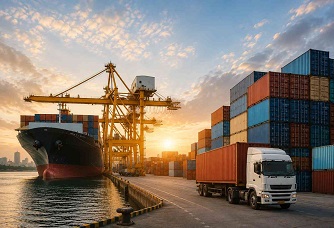
Export growth has gained momentum in India, with merchandise shipments rising by about 15 per cent during April-July FY27.
This increase comes as India expands preferential market access through free trade agreements and strengthens its export-focused manufacturing strategy.
The government now targets USD 1 trillion in total exports in FY27, after exports reached USD 863 billion in FY26.
The latest momentum reflects stronger global market opportunities, expanding trade partnerships and efforts to improve India’s manufacturing competitiveness.
However, sustaining export growth will depend on converting new market access into higher shipments across goods and services.
India’s latest export growth reflects strong momentum in merchandise shipments during the opening months of FY27. Commerce and Industry Minister Piyush Goyal said exports increased by around 15 per cent during April-July despite continued uncertainty in global markets. India’s merchandise exports stood at USD 148.58 billion during April-July FY26, meaning a 15 per cent increase would put shipments above USD 170 billion during the same period of FY27.
The government expects this momentum to support its broader USD 1 trillion export target for FY27. India’s total exports reached USD 863 billion in FY26, comprising USD 442 billion in merchandise exports and USD 421 billion in services exports. The government therefore needs to build on both goods and services to reach the new milestone.
Also Read: Driving Profitable Growth in India’s Automotive Manufacturing Sector
India’s expanding network of free trade agreements (FTAs) represents one of the key factors behind the government’s export strategy. The minister has said trade agreements with major economies can provide Indian businesses with wider preferential access and help increase outbound shipments.
The government has increasingly positioned FTAs as tools for expanding India's presence across developed and emerging markets. Recent agreements and trade initiatives with major economies create opportunities for Indian manufacturers and exporters to compete more effectively in international markets.
However, market access alone will not guarantee export growth. Indian companies must meet international quality standards, manage regulatory requirements, and compete on price and reliability. This makes manufacturing competitiveness and supply-chain efficiency critical to converting trade agreements into actual export gains.
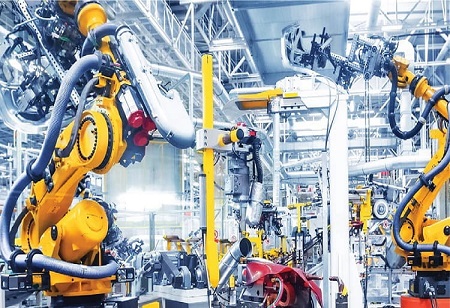
India’s export strategy also places greater emphasis on domestic manufacturing, import substitution and building stronger production capabilities. The government has encouraged businesses to identify products that India currently imports and develop domestic manufacturing capacity for those goods.
This approach aims to create a larger manufacturing base that can serve both Indian consumers and international markets. India’s FY25 total exports had already reached a record USD 825.3 billion, while merchandise exports stood at USD 437.7 billion, according to IBEF.
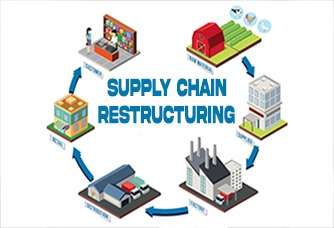
The current export growth therefore comes alongside a broader effort to make Indian manufacturing more competitive and integrate domestic producers into global supply chains.
Maintaining the current pace will remain challenging as global trade faces geopolitical tensions, tariff changes, and uncertain demand. India also needs to ensure that new FTAs translate into higher shipments rather than simply expanding preferential market access.
The government has set a target of USD 530 billion in merchandise exports and USD 470 billion in services exports for FY27, taking the combined goal to USD 1 trillion.
The 15% April-July performance gives India a strong starting point. Sustaining export growth will now depend on stronger manufacturing capacity, wider market penetration, competitive pricing and effective use of India's expanding trade agreements.

.jpg "AR Enterprises: Building The Supply Networks Behind India's Construction Growth")
.jpg "Industrial Packers: Engineering Industrial Packaging for India's Manufacturing Future")



We use cookies to ensure you get the best experience on our website. Read more...