India’s latest free trade agreement with the United Kingdom could reshape its global trade position.
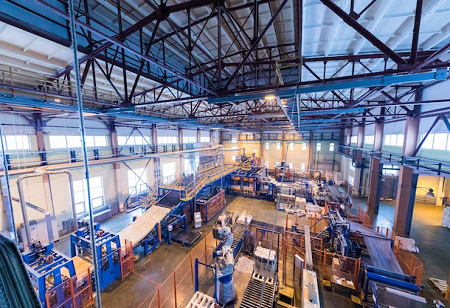
The deal supports India’s ambition to become a leading manufacturing hub. It offers near-total tariff elimination and better market access for exporters.
Around 99 per cent of Indian exports can now enjoy zero-duty access in the UK market. This improves price competitiveness for Indian goods across sectors.
Key industries include textiles, leather, engineering goods, and marine products. The agreement also strengthens supply chain integration with Europe.
As global firms diversify sourcing, India gains an advantage. The FTA could attract investments and expand production capacity across multiple manufacturing sectors.
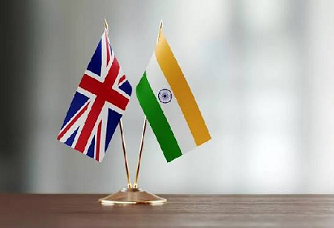
The India-UK FTA came into effect in July 2026 after long negotiations. It removes tariffs on 99 per cent of Indian exports to the UK. The UK eliminated duties on most tariff lines immediately similarly, India will reduce tariffs on UK goods in phases.
The agreement covers major export sectors like textiles, gems, and engineering goods. It also addresses non-tariff barriers such as regulatory standards. This will ease compliance for Indian exporters. Further, lower costs and simplified rules will improve trade efficiency.
The FTA also opens access to government procurement markets. These markets are worth billions in both countries. This creates new opportunities for Indian firms. The agreement supports smoother trade flows and stronger business ties.
The FTA aims to boost India’s manufacturing competitiveness in global markets. Lower tariffs will help exporters increase volumes and margins. Sectors like auto components and textiles will benefit the most, as it can lead to job creation and higher industrial output.
The services sector also gains from the agreement. India already has a strong services trade surplus with the UK, and the important sectors include IT, finance, and education services.
The deal allows easier movement for Indian professionals. It also reduces social security costs for up to five years. This lowers operational expenses for companies. It strengthens India’s role in global services delivery. The FTA also creates a balanced growth path for goods and services sectors.
Also Read: Energy-Efficient Refrigeration for Sustainable Cold Chains
This FTA aims to significantly increase trade between India and the UK. As the current goods trade stands at about USB 25 billion, and the services trade is already strong and growing steadily.
The agreement targets doubling total trade to nearly USD 120 billion by 2030. Lower tariffs and better access will drive this growth, and Increased investment and business partnerships will also help.
The success of the India-UK FTA will depend on future policy moves and execution. India may pursue similar deals with the European Union to expand market access. Strong infrastructure and logistics will be key to supporting export growth. Ensuring MSMEs benefit from the agreement will also remain crucial for inclusive development.







We use cookies to ensure you get the best experience on our website. Read more...