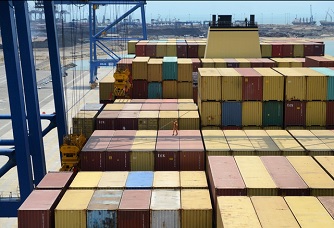
India’s SEZ customs duty relief move kicks in from April 1, 2026, offering a one-year window for eligible units to sell goods in the domestic market at reduced duties. The SEZ customs duty relief aims to ease pressure on exporters facing global uncertainty while helping them use idle capacity.
The Finance Ministry said the concession will apply until March 31, 2027, covering sectors like plastics, textiles, chemicals, and electronics. However, categories such as gems and jewellery, petroleum products, agriculture goods, marble, vehicles, and toys are excluded. Around 1,200 SEZ manufacturing units are expected to benefit.
Under the policy, only units operational on or before March 31, 2025 qualify. They must ensure at least 20 percent value addition and can sell only up to 30 percent of their highest export value from the past three years in the domestic market. Free Trade Warehousing Zones are not covered.
Also Read: Boosting Energy Efficiency with Low-Friction & Circular Models
Earlier, SEZ units paid full customs duty on domestic sales. Now, overall duties have been reduced to 6.5 percent–20 percent, down from the earlier 30 percent–40 percent range. Officials say the cap ensures SEZs stay export-focused while offering a buffer during weak global demand.
Finance Minister Nirmala Sitharaman had announced the measure in the Budget, calling it a temporary step to support manufacturing.
Industry voices remain cautious. Alok Chaturvedi, Director General of Export Promotion Council for EOUs and SEZs (EPCES) said, the reduced duty may not be enough to compete with imports from free trade agreement partners. Think tank GTRI added the impact could be modest due to limited duty cuts and no GST relief. Still, the move gives exporters short-term breathing room in a volatile trade environment.






We use cookies to ensure you get the best experience on our website. Read more...