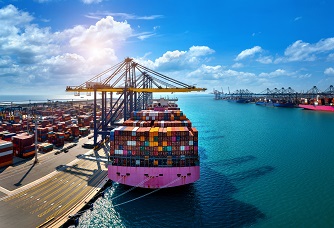
Cochin Shipyard faces a potential change in its Rs 4,000 crore block fabrication joint venture with HD Hyundai Heavy Industries.
As per an ET report, the South Korean shipbuilder has almost decided against participating in the planned facility.
Hyundai’s focus on a proposed USD 4 billion shipyard at Thoothukudi appears to have influenced the decision.
Cochin Shipyard plans to continue with the project even without Hyundai. The development creates two distinct questions for India’s shipbuilding sector: Can Cochin Shipyard execute the facility independently, and does Hyundai’s shift towards Tamil Nadu signal a change in its shipbuilding strategy?
The proposed Cochin Shipyard facility formed part of a wider collaboration with HD Hyundai. The companies signed a MoU in September 2025 for long-term cooperation in shipbuilding.
The planned Block Fabrication Facility would cover about 80 acres. It would produce up to 1, 20,000 metric tons of blocks annually. The project carries an estimated investment of around Rs 3,700 crore in the original proposal.
The situation has now changed. As per the ET report, Hyundai has almost decided not to participate. The company is instead concentrating on a proposed USD 4 billion greenfield shipyard at Thoothukudi. The proposed facility could have a capacity of 2.5 million gross tons.
This makes the development more than a routine JV setback. Hyundai now appears to be prioritizing a much larger greenfield opportunity in Tamil Nadu.
Also Read: India as a Global Manufacturing Hub in the New Mobility Era
Cochin Shipyard does not plan to abandon the block fabrication project. The shipyard intends to develop the facility independently. That approach protects the core capacity expansion plan. The proposed facility will manufacture large steel blocks used in ship construction. Workers can fabricate and outfit different sections simultaneously. The yard can then move completed blocks to the dry dock for final assembly.
The capacity increase also matters. Cochin Shipyard currently has block production capacity of around 20,000 MTPA. The new facility targets 1, 20,000 MTPA, which represents a six-fold increase in planned block production capacity.
The facility will support the shipyard’s new 310-metre dry dock. That dock can handle large vessels such as Suezmax tankers, Capesize bulk carriers and container ships.
The potential Hyundai withdrawal does not remove the project’s strategic value. However, it changes the nature of the expansion. HD Hyundai could have brought global shipbuilding expertise to the project. Its involvement could have helped Cochin Shipyard design the block fabrication facility’s layout and improve production systems.
The development also does not affect Cochin Shipyard’s six-vessel order from CMA CGM. The order covers six 1,700-TEU feeder container ships worth about USD 360 million. The reports suggest that the order remains separate from the proposed block fabrication facility.
The Hyundai development creates an interesting contrast within India’s shipbuilding expansion. Cochin Shipyard is pursuing a brownfield capacity expansion around its existing Kochi operations. Hyundai, meanwhile, is focusing on a large greenfield shipyard proposal at Thoothukudi.
India has also approved a Rs 69,725 crore maritime package to strengthen domestic shipbuilding. The policy push makes capacity expansion strategically important for Indian yards.
For Cochin Shipyard, the immediate challenge now shifts from partnership formation to execution. The company retains the Rs 4,000 crore expansion ambition. But it may have to deliver the project without the global partner that could have added international expertise and technical depth.
.jpg "Industrial Packers: Engineering Industrial Packaging for India's Manufacturing Future")



We use cookies to ensure you get the best experience on our website. Read more...