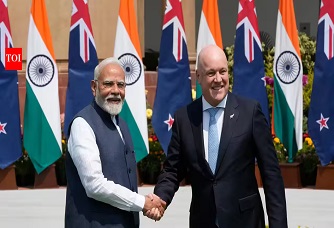
The India-New Zealand FTA takes effect on October 21, 2026, changing trade rules between the two countries. The agreement gives Indian exporters duty-free access to New Zealand's market and introduces tariff concessions on selected New Zealand imports into India.
The deal also opens new temporary work visa pathways for eligible Indian professionals. However, India's tariff concessions will vary by product, with some reductions starting immediately and others being phased in over time.
Here are the five major changes under the India-New Zealand FTA.
Indian goods will receive duty-free access across all tariff lines in New Zealand. The agreement also introduces preferential tariff treatment for selected New Zealand products entering India.
Key changes include:
These provisions create new opportunities for selected New Zealand products while expanding market access for Indian exporters.
Also Read: How Women Leaders Are Shaping India's Electric Mobility Future
India has excluded several sensitive sectors from tariff concessions to protect domestic industries. These include dairy, sugar, edible oils and specified agricultural commodities. Animal meat is also excluded, except for sheep meat covered by the agreement.
The India-New Zealand FTA also introduces temporary work opportunities for eligible Indian nationals.
Two Temporary Employment Entry visa pathways become available from October 20. The combined cap is 5,000 visa holders at any one time. The visas are valid for three years and do not provide a direct pathway to residence.
Applicants must meet New Zealand's immigration requirements, including:
Further changes will follow over the coming years. From November 16, eligible Indian graduates with PhDs from New Zealand will be able to apply for post-study work visas of up to four years.
A working-holiday scheme for Indian nationals aged 18 to 30 is also planned within two years. It will offer up to 1,000 places annually, with stays of up to 12 months.
Beyond tariffs and visas, the agreement includes wider economic commitments. New Zealand has committed to facilitating USD 20 billion in investment into India over 15 years.
The two countries also aim to double bilateral trade in goods and services to NZUSD 7 billion by 2030. As the agreement takes effect, its phased tariff cuts and future visa provisions will shape how businesses, exporters and eligible professionals benefit from the new partnership.







We use cookies to ensure you get the best experience on our website. Read more...