India’s push for safe passage through Strait of Hormuz is at the center of a new diplomatic showdown with Iran as tensions in the Middle East rise.
In the latest developments, Tehran’s stance on allowing Indian ships through this strategic waterway is creating fresh challenges and strategic recalculations for New Delhi amid ongoing regional conflict.
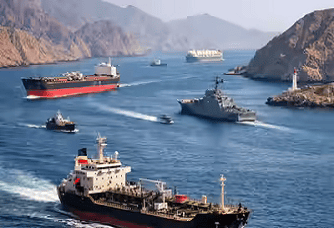
India has been working with Iranian officials to secure the safe passage of its vessels through the Strait of Hormuz, a key chokepoint for global oil and gas shipments. This effort has become even more urgent as hostilities in the region have disrupted maritime traffic and raised risks for commercial ships, especially those linked to energy‑hungry nations like India. Safe passage through the Strait of Hormuz remains vital for India’s energy security given its heavy reliance on Gulf imports.
Also Read: West Asia Crisis: Impact on Indian Exports Market
Recent reports suggested Iran asked India to return three Iran‑linked tankers that New Delhi seized earlier, hinting at conditions tied to safe passage for India‑flagged and India‑bound vessels. Tehran reportedly sought not just the release of the tankers but also specific medicines and medical supplies in exchange for allowing Indian shipping to transit the strategic waterway.
Highlights:
However, the Indian government has firmly rejected these claims as unfounded. A foreign ministry spokesperson clarified that there were no discussions about exchanging seized tankers for safe passage, dismissing the notion of a quid pro quo with Iran. New Delhi stressed that its diplomatic engagement is focused strictly on securing safe movement for its vessels without any linked concessions.
Despite the diplomatic friction, Tehran has recently permitted the safe transit of some Indian‑flagged tankers carrying liquefied petroleum gas (LPG) toward India. Two Indian tankers successfully cleared the Strait of Hormuz and are en route to Indian ports — a rare positive move amid wider disruption in the region’s shipping routes.
The broader context includes a spike in global tensions following conflict between Iran and U.S. and allied forces, which has led to attacks on merchant ships and an effective partial shutdown of normal traffic through the strait. This has thrown world energy markets into uncertainty and underscored the risks facing navies, ship operators, and maritime trade corridors.
Data and reports:
India’s foreign ministry continues to engage with all parties concerned, including Gulf states and international partners, to manage the fallout. While safe passage negotiations remain ongoing, New Delhi maintains there’s no exchange deal and continues to prioritize the security of its vessels and energy supplies in this volatile environment.

.jpg "AR Enterprises: Building The Supply Networks Behind India's Construction Growth")
.jpg "Industrial Packers: Engineering Industrial Packaging for India's Manufacturing Future")




We use cookies to ensure you get the best experience on our website. Read more...