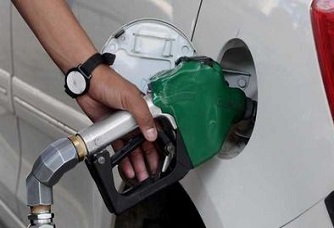
India has proposed new rules that could allow vehicles to use ethanol-blended fuel, marking another step in the country’s effort to reduce fuel imports and promote clean energy sources.
The Ministry of Road Transport and Highways has released draft amendments to the Central Motor Vehicles Rules to include fuels such as E85 fuel and E100 fuel. E85 is a fuel blend containing 85% ethanol and 15% petrol, while E100 is nearly pure ethanol. These draft rules are currently open for public feedback before they are officially implemented.
The proposal follows India’s progress in introducing E20 petrol, which contains 20% ethanol blended with petrol. By allowing higher ethanol blends, the government hopes to further cut dependence on imported crude oil and support biofuel production within the country.
Ethanol is produced mainly from crops such as sugarcane, maize, and agricultural waste. Since it burns cleaner than conventional petrol, ethanol can help reduce vehicle emissions. Officials believe wider use of ethanol-blended fuel can strengthen energy security, lower fuel import costs, and create additional income opportunities for farmers involved in ethanol production.
Also Read: Safran & Uni Tritech Partner to Produce LEAP Engine Parts in India
The new rules are also expected to encourage the growth of flex-fuel vehicles, which are designed to run on different fuel blends, including high-ethanol mixtures. Several automobile manufacturers have already started exploring flex-fuel technology for the Indian market.
However, industry experts say the shift to higher ethanol blends may require changes in vehicle engines, fuel systems, and fuel infrastructure. Existing vehicles may not be fully compatible with fuels like E85 or E100 without modifications. Fuel stations may also need to install separate pumps and storage systems to distribute these blends effectively.
Automakers and industry groups have highlighted concerns about the cost of adapting vehicles and expanding fuel infrastructure. A phased rollout could help manufacturers, fuel retailers, and consumers adjust gradually to the new fuel options.
India’s push toward ethanol is part of a broader strategy to diversify its energy mix and reduce reliance on fossil fuels. Alongside biofuels, the country is also investing in renewable energy, hydrogen, and electric mobility to support long-term sustainability goals.

.jpg "AR Enterprises: Building The Supply Networks Behind India's Construction Growth")
.jpg "Industrial Packers: Engineering Industrial Packaging for India's Manufacturing Future")




We use cookies to ensure you get the best experience on our website. Read more...