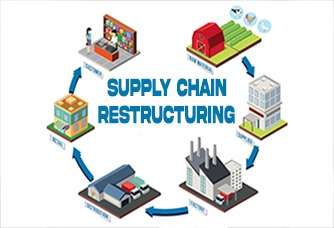
India's coal sector is set for a major transformation after the government notified new rules for the establishment of coal exchanges across the country.
The coal trading ecosystem is expected to become more transparent, efficient, and competitive under the new framework. The move is aimed at modernizing the supply chain, improving market participation, and enabling transparent price discovery through a market-driven mechanism.
With the notification of the Coal Exchange Rules, 2026, the government has taken a significant step toward reforming the country's coal trading landscape.
The new coal trading framework is expected to benefit coal producers, commercial miners, captive mine operators, industrial consumers, and public sector companies by providing a structured platform for buying and selling coal. The initiative aligns with the government's broader objective of improving ease of doing business and strengthening India's energy security.
The Ministry of Coal announced that the Coal Exchange Rules, 2026, have been officially published in the Official Gazette on June 4, 2026. The rules have been framed following the enactment of the Mines and Minerals (Development and Regulation) Amendment Act, 2025.
The amendment introduced the concept of a mineral exchange and empowered the central government to promote transparent, efficient, and competitive trading of minerals, including coal and its processed forms. The latest notification lays down the regulatory framework for establishing and operating coal exchanges in India.
According to the ministry, the new rules are expected to create a well-regulated marketplace where coal can be traded more efficiently while ensuring transparency in transactions and pricing.
Also Read: Hydrogen Storage Innovations Are Driving India's Clean Energy Push
Coal exchanges are designed to facilitate transparent and market-driven price discovery. Currently, coal transactions often depend on bilateral arrangements and long-term agreements. The introduction of exchange-based trading is expected to provide a more competitive environment where prices reflect real-time market demand and supply conditions.
The exchanges will offer coal producers easier access to a wider pool of buyers across sectors. Commercial miners and captive mine operators will be able to market their coal more effectively, while buyers will gain access to multiple suppliers through a single platform.
The government believes that the move will increase efficiency across the coal supply chain by reducing information asymmetry and creating a standardized trading ecosystem.
Additionally, public sector companies will also be able to utilize these platforms to increase market participation and expand their reach within the coal market.
The Ministry of Coal has already designated the Coal Controller Organisation (CCO) as the authority responsible for registering and regulating coal exchanges.
The designation was made in December 2025, giving the organization a central role in overseeing the functioning of coal exchanges. Eligible entities seeking to establish and operate coal exchanges will be required to obtain authorization from the CCO.
These authorized entities will be responsible for developing operational frameworks, framing market rules and bye-laws, and facilitating coal trading activities on their platforms.
The regulatory oversight is expected to ensure compliance, maintain transparency, and protect the interests of both buyers and sellers participating in the exchanges.
Under the Coal Exchange Rules, 2026, registrations granted to eligible entities will remain valid for 25 years. This long-term validity is expected to encourage investment in exchange infrastructure and promote stability within the market.
Authorized operators will be empowered to create trading platforms that support transparent transactions and efficient settlement mechanisms. The exchanges are expected to contribute to the digital transformation of India's coal sector by introducing structured and technology-driven trading processes.
The framework also provides clarity regarding operational responsibilities, governance structures, and regulatory compliance requirements for exchange operators.
The government has described the coal exchange initiative as a major reform aimed at enhancing ease of doing business and building a modern, self-reliant energy ecosystem.
According to the Ministry of Coal, a more competitive and efficient coal market will help strengthen India's energy security while supporting industrial growth. Transparent pricing mechanisms are expected to improve resource allocation and encourage greater participation from market stakeholders.
The reform is also expected to contribute significantly to the vision of Viksit Bharat by promoting sustainable economic development and creating a future-ready energy sector.
With coal continuing to play a crucial role in India's energy mix, the introduction of exchange-based trading could mark a turning point in the evolution of the country's coal industry, bringing greater efficiency, transparency, and competitiveness to the market.







We use cookies to ensure you get the best experience on our website. Read more...