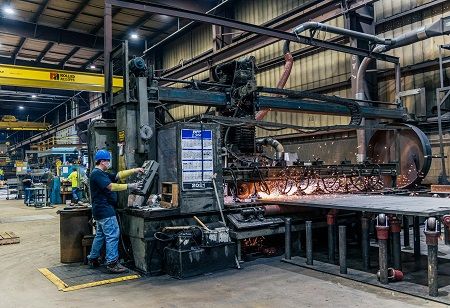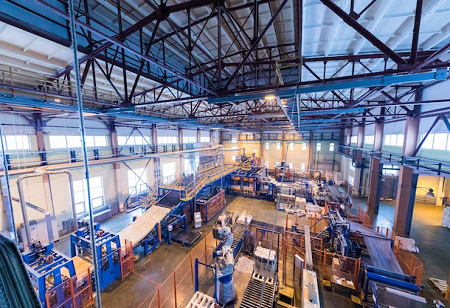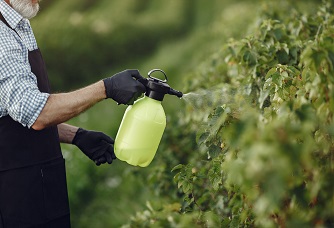
Agrochemical manufacturing in Gujarat is gaining another global dimension as Japan-based Nissan Chemical Corporation plans a dedicated facility for its new rice herbicide Ryzonic at its Indian joint venture, Nissan Bharat Rasayan.
The facility at Saykha, Gujarat, is expected to be completed and begin operations in fiscal 2028. Ryzonic, based on the active ingredient iptriazopyrid, is planned for launch in Japan and India in 2027 before a wider global rollout.
The development highlights a broader shift in India's role in crop protection-from serving as a large agricultural market to becoming a manufacturing base supporting international product expansion.
Nissan Chemical is establishing the new production facility at Nissan Bharat Rasayan (NBR), its Indian joint venture with Bharat Rasayan.
The company said the investment is intended to create a stable supply system capable of meeting future demand for Ryzonic as the herbicide expands globally. The facility is scheduled to begin operations in FY2028.
The decision is significant because production capacity is being developed ahead of the product's international expansion. Ryzonic is expected to enter Japan and India in 2027, followed by additional markets.
This approach gives Nissan Chemical an established manufacturing base from which it can support future demand rather than depending solely on production in Japan or other locations.
The Ryzonic project builds on an existing manufacturing relationship rather than creating an entirely new Indian operation.
Nissan Bharat Rasayan was established in 2020 by Nissan Chemical and Bharat Rasayan, with the joint venture subsequently developing a plant at Saykha that began operations in 2023.
Bharat Rasayan already has capabilities across technical-grade pesticides, intermediates and bulk formulations. For Nissan Chemical, the arrangement provides access to an established Indian agrochemical manufacturing ecosystem while adding capacity for a proprietary product.
The move therefore goes beyond domestic supply and places India within the company's planned global production network for crop protection products.
Gujarat's importance in this development extends beyond the location of the facility. The state has an established chemical and agrochemical manufacturing base, while Saykha provides Nissan Chemical with an existing industrial platform through its joint venture.
This is particularly relevant as global agrochemical companies increasingly need manufacturing networks that can support proprietary molecules alongside established technical products.
Nissan Chemical's original JV objective included expanding its manufacturing base in India and producing new molecules at the Saykha facility.
The Ryzonic project consequently adds a higher-value layer to India's agrochemical manufacturing story. Instead of focusing only on volume production, the ecosystem is increasingly connected to products developed through multinational research and development pipelines.
The Ryzonic facility reinforces India's potential role as a strategic production location for international crop-protection companies.
Nissan Chemical has described the project as an important investment for strengthening global supply capacity and competitiveness in the paddy rice herbicide market. For India, the significance lies in how such projects connect domestic manufacturing capabilities with global product launches.
As Ryzonic moves from its planned 2027 launches toward wider international expansion, the Gujarat facility could become part of the manufacturing infrastructure supporting that growth.
The development therefore reflects a broader evolution in India's agrochemical industry: multinational companies are not only accessing India's agricultural market but are also building production capacity that can serve markets beyond the country.






We use cookies to ensure you get the best experience on our website. Read more...