India has moved to strengthen its war machine as Hindustan Aeronautics Limited (HAL) has restarted Su-30MKI production at its Nashik facility.
The war machine push comes as the Indian Air Force seeks to address squadron shortages and boost operational readiness.
HAL will manufacture 12 Su-30MKI fighter jets under a government-approved order, with deliveries expected by 2029.
This war machine expansion reflects India’s focus on enhancing domestic defense manufacturing capabilities while maintaining proven platforms.
The restart also signals renewed utilization of existing infrastructure, aligning with rising defense capital expenditure and long-term air power planning.
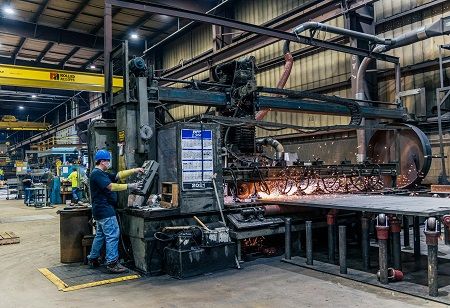
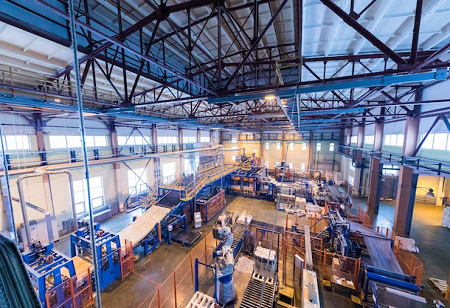
HAL has restarted its Su-30MKI production line at the Nashik plant to reinforce India’s war machine. The Cabinet Committee on Security cleared the procurement of 12 additional Su-30MKI aircraft, creating fresh demand for the facility. HAL will produce these jets using upgraded manufacturing processes and improved localization levels. The Nashik unit had earlier completed licensed production of over 220 Su-30MKI jets before this revival. The restart ensures that critical aerospace infrastructure remains active and productive.
Also Read: Hybrid Power & Tech Solutions for Sustainable Manufacturing Growth
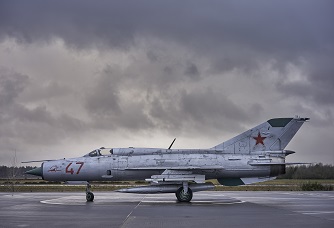
The Indian Air Force will use this expansion of the war machine to address its declining squadron strength. The force currently operates below its sanctioned squadron levels, making additional fighter induction critical. The 12 new Su-30MKI jets will enhance operational capabilities and fill immediate gaps. These aircraft will integrate seamlessly into the existing fleet, ensuring faster deployment without additional training complexity. This war machine upgrade supports India’s air dominance strategy in a volatile regional environment.
HAL has increased indigenous content in Su-30MKI production to nearly 50 per cent, strengthening India’s war machine through localization. The company sources components such as avionics, structural parts, and systems from domestic suppliers. This shift reduces dependence on imports and enhances supply chain resilience. The program also supports hundreds of MSMEs and tiered vendors across the aerospace ecosystem. The war machine strategy now integrates local manufacturing with global technology partnerships, particularly with Russia.
The revival of Su-30MKI production boosts India’s war machine while generating significant economic activity. The program carries an estimated value of over Rs 13,000 crore, driving capital inflow into defense manufacturing in India. HAL’s order book continues to expand, supported by parallel projects like Tejas and helicopter platforms. The Nashik plant now operates as a multi-platform facility, increasing efficiency and output. This war machine expansion creates jobs, strengthens vendor networks, and accelerates industrial growth.
India continues to rely on the Su-30MKI as a key pillar of its war machine even as it develops next-generation platforms like AMCA. HAL plans to support both new production and upgrades of existing aircraft, ensuring long-term capability enhancement. The dual approach allows India to maintain readiness while investing in future technologies. The war machine strategy balances immediate operational needs with long-term self-reliance goals.






We use cookies to ensure you get the best experience on our website. Read more...