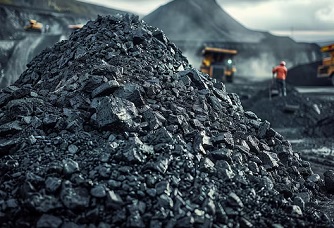
India’s Coal India cost absorption strategy is taking center stage as the state-run miner shields consumers from rising fuel and explosives prices.
Despite a steep jump in input costs, Coal India (CIL) has chosen not to pass the burden onto coal users, aiming to prevent a wider price ripple across industries.
The Coal India cost absorption move comes as key raw materials have seen sharp hikes. The price of ammonium nitrate (AN), a major component in explosives, has surged 44%—from Rs.50,500 per metric ton pre-crisis to Rs.72,750 as of April 1, 2026.
This spike has directly pushed up explosives cost in coal mining, with average prices rising 26% within a month to Rs.49,783 per metric ton.
Also Read: How India's Machine Tools Industry Is Gaining Global Momentum
CIL consumes around 9 lakh metric tons of explosives annually, making the increase significant for operations. At the same time, industrial diesel prices in India have jumped nearly 54%, from Rs.92 per litre in mid-March to Rs.142 per litre. The company used about 4.19 lakh kilolitres of diesel in FY 2025-26 and is compensating contractors for the higher fuel costs.
Even as energy price surge impact intensifies globally, CIL is working to stabilize the domestic market. Some subsidiaries have lowered reserve prices in e-auctions and increased both auction frequency and supply volumes. This approach supports affordable coal supply in India, helping control downstream costs for power, steel, and cement sectors.
By absorbing these shocks, Coal India is trying to balance operational pressure with public interest, ensuring that rising input costs do not translate into higher energy bills for consumers.







We use cookies to ensure you get the best experience on our website. Read more...