India's semiconductor ambitions are gaining momentum, with the government expecting four semiconductor plants to become operational by December.
As global companies look to diversify their supply chains beyond traditional manufacturing hubs, a key question is emerging: Can India become the world's next chip alternative?
The question of whether India can become the world's next chip alternative has gained importance as countries and companies seek to reduce supply chain risks and expand manufacturing bases outside established semiconductor centers.
Speaking at the Confederation of Indian Industry (CII) Annual Business Summit 2025, Union Railways Minister Ashwini Vaishnaw said India will have four operational semiconductor plants by the end of the year, marking a major step in the country's semiconductor manufacturing journey.
According to the minister, two semiconductor plants are already operational. The third facility is expected to begin operations in July, while the fourth plant is likely to be commissioned by November or December.
The government is also working on a broader semiconductor ecosystem, with 12 semiconductor facilities currently under development across the country.
Key highlights include:
The developments are part of India's efforts to strengthen domestic chip manufacturing and reduce reliance on imports.
The global semiconductor industry has undergone major changes in recent years. Supply chain disruptions, geopolitical tensions, and growing demand for chips have encouraged companies to diversify manufacturing locations.
Many countries are investing heavily in semiconductor production to improve supply chain security. India is positioning itself as a key destination for these investments through government incentives, infrastructure development, and policy support.
The country's growing electronics manufacturing sector is another advantage. India has already become one of the world's largest smartphone manufacturing hubs, and policymakers hope semiconductor manufacturing will follow a similar growth path.
For global companies, India offers:
While the announcement of four operational semiconductor plants is a major milestone, becoming a global chip manufacturing alternative will require more than new facilities.
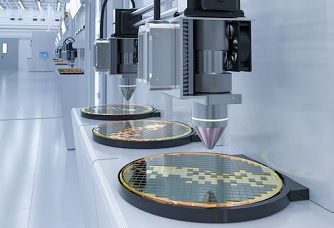
Most of the approved projects currently focus on chip packaging, assembly, and testing. Advanced semiconductor fabrication remains a complex and capital-intensive segment dominated by a few global players.
India must also strengthen supporting industries such as:
Industry experts believe the real measure of success will be the development of a complete semiconductor ecosystem rather than the number of plants alone.
The semiconductor push is expected to benefit sectors including smartphones, electric vehicles, telecom equipment, consumer electronics, artificial intelligence, and defense manufacturing.
With four semiconductor plants set to be operational by December and several more projects in the pipeline, India is making steady progress. Whether the country can become the world's next chip alternative will depend on its ability to build a competitive ecosystem, attract long-term investments, and move further up the semiconductor value chain in the years ahead.







We use cookies to ensure you get the best experience on our website. Read more...