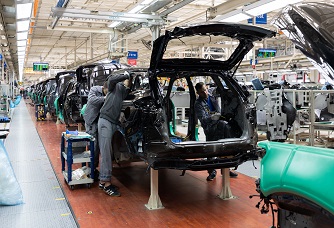
Automotive skill shortage Looms as electronics take a bigger role in vehicle manufacturing. Electronics could account for 50–55 percent of a car’s cost by 2030.
That is up from around 30–35 percent in 2020. The shift could create a major opportunity for Indian auto component makers.
The findings come from a BCG-ACMA report that examines major changes in India’s auto component industry.
It highlights how vehicles are becoming more electronic across both internal combustion engine and electric models. However, India’s electrical and electronics segment accounted for only about 12 percent of component supply in FY25.
This gap could create new opportunities for suppliers. It could also increase the need for engineers and workers with specialized automotive electronics skills.
Modern vehicles are adding more electronic systems with every new generation. Features such as ADAS, infotainment, sensors and connectivity are driving this change.
The report identifies several areas where Indian suppliers could build stronger capabilities:
These technologies are creating new value pools within the auto component industry. The report sees this shift as a major localization opportunity for India.
The transition also changes what manufacturers need from their workforce. Traditional mechanical expertise will remain important. However, electronics, software, controls and systems engineering will become increasingly important.
Also Read: India Set to Cross 5 Million Car Sales in FY27: Auto Industry Growth Vision
India currently has significant room to expand domestic electronics manufacturing for vehicles. The 12 percent share of electrical and electronic components highlights the existing gap.
Closing that gap could help Indian suppliers capture more value from future vehicles. It could also reduce dependence on imported electronics component.
The broader auto component industry is already targeting strong growth. ACMA members are aiming for about USD 200 billion in turnover by FY30. The industry recorded around USD 86 billion in turnover during FY26.
At the same time, vehicle production is expected to rise. Total annual vehicle production could reach 50–55 million units by 2030. It stood at around 30–35 million units in FY25.
The shift toward electronics means localization cannot depend only on new factories. Companies will also need people who can design, develop and manufacture advanced components. This creates demand for skills across electronics engineering, embedded systems, software and battery technologies. Research and development capabilities will also become more important.
The industry is therefore facing a skills challenge alongside its localization opportunity. Companies that invest in technology and workforce development could be better positioned to capture this growing market. For India, the opportunity extends beyond supplying components to domestic automakers. Stronger capabilities in automotive electronics could help Indian suppliers enter global value chains.
The BCG-ACMA findings show that the auto industry is moving beyond traditional mechanical components. As electronics take a larger share of vehicle value, Indian suppliers will need to build new capabilities quickly.






We use cookies to ensure you get the best experience on our website. Read more...