Hindalco Industries has taken another step to strengthen its downstream aluminium business with the launch of a new aluminium bicycle components manufacturing facility in Chakan, Pune.
The move comes at a time when aluminium demand is rising across sectors such as electric vehicles (EVs), renewable energy, construction, packaging, and lightweight mobility solutions.
As aluminium demand continues to grow, producers are increasingly investing in value-added products, and Hindalco’s latest expansion reflects this shift.
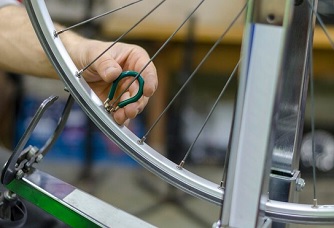
The new facility will manufacture aluminium bicycle frames, rigid forks, handlebars, and wheel rims for domestic and international markets. By moving further into finished products, Hindalco aims to capture greater value across the aluminium supply chain while supporting the growing need for lightweight and durable materials.
Located in Chakan, one of India's key manufacturing hubs, the plant is equipped with advanced production and finishing technologies.
The facility has an annual production capacity of:
The expansion marks another milestone in Hindalco’s strategy to increase its presence in downstream aluminium applications. Rather than focusing solely on primary metal production, the company is building capabilities in engineered and finished aluminium products that serve end-user industries.
Industry experts note that value-added products typically offer better margins and help aluminium producers reduce exposure to fluctuations in global commodity prices.
The launch comes amid strong growth in global aluminium consumption.
Demand for aluminium is increasing as industries seek lightweight, corrosion-resistant, and recyclable materials. Automakers are using more aluminium to reduce vehicle weight and improve fuel efficiency, while EV manufacturers are incorporating the metal into battery enclosures, body structures, and other components.
At the same time, renewable energy projects are driving demand for aluminium in solar panel frames, transmission lines, and grid infrastructure. The construction and packaging sectors also remain major consumers of the metal.
Also Read: Nano GCCs in Automotive Engineering: Building Lean R&D for 2026
Some of the key factors supporting aluminium demand include:
These trends are encouraging aluminium producers worldwide to expand downstream operations and develop specialized products for high-growth sectors.
Hindalco's investment in the Pune facility highlights its long-term focus on creating value-added aluminium products rather than relying solely on primary metal sales.
The bicycle components segment may appear niche, but it aligns with a broader shift toward lightweight mobility solutions. Aluminium remains the preferred material for many bicycle manufacturers because of its strength-to-weight ratio, durability, and cost advantages.
The new facility is also expected to support India's manufacturing ecosystem by increasing local production of aluminium components and reducing dependence on imports. With export opportunities growing, the plant could help position India as a competitive supplier of high-quality aluminium mobility products.
As global industries continue to prioritize lightweight and sustainable materials, investments such as this are likely to play an important role in expanding aluminium consumption and strengthening downstream manufacturing capabilities.
Hindalco Industries is the metals flagship company of the Aditya Birla Group and one of the world's largest aluminium producers. The company operates across the aluminium value chain, including bauxite mining, alumina refining, aluminium smelting, rolling, recycling, and downstream manufacturing.
.jpg "Saksham Enterprises: Optimizing Mission- Critical HVAC Infrastructure For The High Precision Sector")
.jpg "JDS Group of Companies: Innovating Smart Solutions For Modern Power Transmission & Distribution Infrastructure")


We use cookies to ensure you get the best experience on our website. Read more...