The government has introduced a new customs rule aimed at improving transparency and tightening compliance in the import processes. This rule will also significantly reduce import costs for India’s Battery Industry.
The rule introduces a major overhaul of customs duty rules aimed at strengthening domestic manufacturing, with a particular focus on electronics and clean energy supply chains.
The rule is expected to impact importers, logistics providers, and customs officials by introducing stricter documentation requirements and enhanced digital tracking mechanisms.
The policy also aligns with earlier budget measures that extended basic customs duty exemptions on capital goods. This was required for lithium-ion battery production and critical mineral processing. This reinforces India's long-term manufacturing strategy for the battery industry.
A key change under the new customs rule is the significant expansion of the list of machinery eligible for concessional customs duty for lithium battery manufacturing.
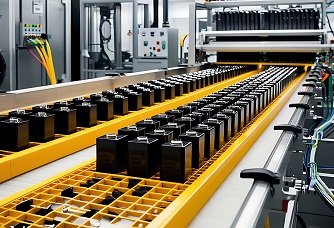
According to CBIC notifications, the government has replaced the earlier limited list with a comprehensive schedule covering 85 categories. That covers equipment across the entire battery production chain, from electrode manufacturing and cell assembly to testing and packaging.
This expansion is highly significant for India’s lithium-ion ecosystem, as it reduces the cost of importing advanced machinery.
By lowering capital expenditure for manufacturers, the policy encourages new investments in battery cell production, a critical segment for electric vehicles (EVs) and renewable energy storage.
India has been steadily reducing duties on inputs linked to battery manufacturing, including raw materials. This includes lithium compounds and capital goods for cell production, to ensure supply chain security and competitiveness.
The move is expected to accelerate the localization of battery production. Thereby reducing reliance on imports of finished cells, and supporting the growth of giga factories in India. It also aligns with the government’s broader clean energy and EV adoption goals, where lithium-ion batteries play a central role.
Also Read: From Compliance to Value: Rethinking ESG in FMCG Operations
While the rule is expected to bring long-term benefits, it may initially pose challenges for businesses adjusting to the new requirements.
Companies will need to upgrade their internal systems, ensure accurate documentation, and train staff to comply with the revised norms. Small and medium enterprises (SMEs), in particular, may face difficulties in adapting to the increased compliance burden.
The rule protects compliant businesses from unfair competition. It also strengthens government revenue collection by minimizing leakages.
The customs department has indicated that it will provide a transition period and guidance to help stakeholders adapt to the new framework. Workshops, advisories, and online resources are expected to be rolled out to facilitate smoother implementation.
The new customs rule marks a significant step toward modernizing India’s trade infrastructure. By combining stricter enforcement with digital innovation, the government aims to create a more efficient, transparent, and globally competitive import ecosystem.
.jpg "Saksham Enterprises: Optimizing Mission- Critical HVAC Infrastructure For The High Precision Sector")

.jpg "JDS Group of Companies: Innovating Smart Solutions For Modern Power Transmission & Distribution Infrastructure")




We use cookies to ensure you get the best experience on our website. Read more...