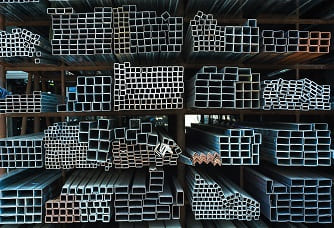
India’s aluminium extrusion sector is under severe pressure today as the escalating West Asia crisis continues to disrupt global supply chains and energy availability.
The aluminium extrusion sector has seen production drop sharply from about 1–1.3 lakh tonnes per month to nearly 50,000–60,000 tonnes, according to industry body ALEMAI.
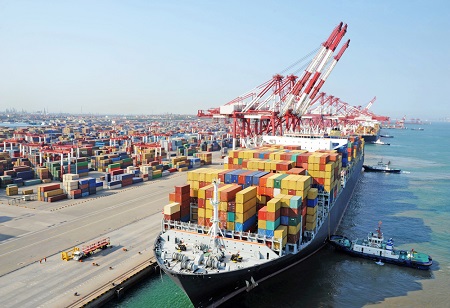
The ongoing conflict has brought container unloading at West Asian ports to a halt, choking the supply of raw materials. With nearly 50 percent of inputs sourced from the region, the disruption has hit operations hard. At the same time, energy costs have surged, pushing conversion costs up by around 25 percent.
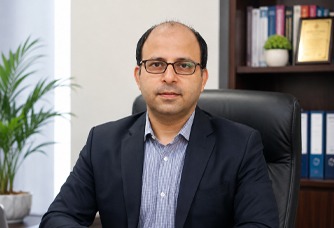
ALEMAI Secretary Ankur Aggarwal said, "The capacity has been scaled down. We have been producing 1.2-1.3 million tonnes on an average yearly. We were producing one lakh tonnes every month and it scaled down to 50,000-60,000 tonnes." Despite an installed capacity of 4.2 million tonnes, the aluminium extrusion sector is now running far below its potential.
Also Read: Boosting Energy Efficiency with Low-Friction & Circular Models
Fuel shortages have added to the crisis. Around 30–35 percent of plants shut down due to limited LPG supply. Although supplies have partially resumed over the past 5–6 days, plants are still operating at just 35–40 percent capacity due to ongoing LPG and PNG shortages. Aggarwal said 100–125 plants are currently functioning at only 30–35 percent capacity.
ALEMAI President Jitendra Chopra said, "India's midstream and downstream aluminium sectors are undergoing a severe contraction, with production declining by 40 per cent to 50 per cent. Despite a strong installed capacity of 4.2 million tonnes, utilisation remains significantly below potential."
Union Minister Jitin Prasada said the government is closely monitoring the situation through daily inter-ministerial meetings to reduce disruptions and support the sector.
.jpg "Saksham Enterprises: Optimizing Mission- Critical HVAC Infrastructure For The High Precision Sector")

.jpg "JDS Group of Companies: Innovating Smart Solutions For Modern Power Transmission & Distribution Infrastructure")


We use cookies to ensure you get the best experience on our website. Read more...