EV technology competition in electric commercial vehicles now turns on engineering ownership, proprietary systems, and manufacturing efficiency rather than model count alone.
EKA Mobility plans a Rs 1,000 crore R&D investment over the next five years to strengthen its position as a technology leader.
The company already aims for exports to contribute 25–30% of sales within five years.
The central question remains whether Indian EV engineering can evolve into a genuine global commercial proposition. Success will hinge on converting that technology ownership into scalable products and reliable international demand.
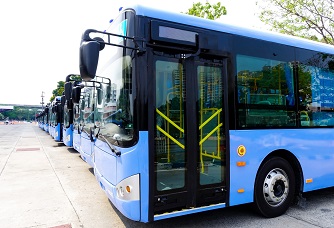
EKA has already invested more than Rs 600 crore in research and development and has committed an additional Rs 1,000 crore over five years. The company maintains a portfolio of 12–13 vehicle platforms that cover electric buses, trucks and small commercial vehicles.
Founder and Chairman Sudhir Mehta states clearly that product differentiation will come from developing technology in India. Proprietary EV technology improves vehicle performance, lowers operating costs and creates lasting product distinction.
Simply adding more models cannot deliver the same advantage. Ownership of the underlying engineering allows the firm to control costs, accelerate upgrades and protect margins in a price-sensitive commercial vehicle market.
Also Read: How Women Leaders Are Shaping India's Electric Mobility Future
EKA targets 25–30% of sales volume from exports within five years and focuses on African markets such as Ghana, Ethiopia and Uganda. The company plans to supply EV technology and encourage local vehicle assembly rather than ship finished vehicles alone.
Local assembly helps establish manufacturing relationships, reduces logistics costs, and builds market presence in regions that prefer domestic production.
This approach creates a different growth model for an Indian EV manufacturer where technology partnerships and overseas assembly can generate recurring revenue streams beyond pure product exports and position EKA as a long-term engineering partner rather than a one-time supplier.
Three practical questions will decide the outcome.
R&D spending alone cannot guarantee success. Manufacturing scale, product economics and local market execution will determine whether EKA converts its technology ambitions into sustainable export revenue.
EKA’s investment represents a clear ambition to take Indian EV technology beyond the domestic market. Success will depend on converting research capabilities into commercially competitive vehicles, scalable manufacturing, and repeat international business.



We use cookies to ensure you get the best experience on our website. Read more...