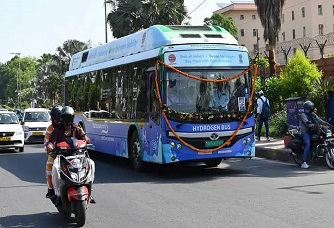
Delhi’s public transport operates a large number of Electric buses, compared to any other state; reports suggest that about 4,500 buses are operated under the state.
Currently, many cities are quitting old compressed natural gas (CNG) and diesel vehicles. Therefore, Delhi also aims to transition entirely to electric-vehicle transport by expanding its bus fleet.
The aim is to raise the e-bus count to 7000 by the end of 2026, according to reports. Recently, under the Delhi Electric Vehicle Policy 2026, the government introduced a provision including hydrogen-fuel-based vehicles in the next four years.
Electric vehicles lead to an effective path of decarbonization in the transport system. For electric vehicles, the running cost is lower than petrol or diesel. Therefore, it also comes with low maintenance, as there is no complicated process like oil changing.
Also, there are tax breaks and subsidies for EVs, as the government offers purchase incentives; in India, compared to luxury fossil-fuel cars that have a GST of 48 per cent, EVs have only 5 per cent GST.
Also Read: How Advanced Filtration Driving the Future of Sustainable Mobility
|
Feature |
Electric Battery |
Hydrogen Fuel Cell |
|
Fuel Source |
Grid Electricity- charged from an electrical outlet |
Filled up at a specialized pump |
|
Refuel Time |
20 minutes to several hours- takes time to charge |
3- 5 minutes, similar to fuelling petrol or diesel |
|
Driving Range |
Good for short trips, especially better for city driving |
Best for long drives, easily travel for long hours |
|
Best Used For |
For everyday personal use in cars and bikes |
Best for big cargo trucks or even buses |
|
Main Challenge |
Charging downtime |
Lack of stations currently |
According to the report from the Commission for Air Quality Management, about 23 per cent of vehicular emissions are a reason for Delhi’s air pollution. Especially the increased amount of local transport seems to be the single most contributors to Delhi's pollution.
To further promote clean energy transport in the city, Delhi has also initiated including hydrogen fuel-based vehicles into the ecosystem, which will account for the city’s current mission on clean mobility transition.
Transport Minister Pankaj Singh announced that the Delhi government plans to operate two hydrogen buses in the national capital, which will push the core idea of clean energy and sustainable public transport.
Minister Pankaj Singh also said that Delhi is steadily moving towards clean, futuristic public mobility solutions. The hydrogen fuel technology therefore marks an important step towards a sustainable and environmentally friendly transport system.
.jpg "Precise Fasteners: Committed To Fulfilling Client Expectations, Every Time!")


We use cookies to ensure you get the best experience on our website. Read more...